
Introduction
Every homeowner eventually faces unexpected repair problems. A leaking tap, a flickering light, a damp wall, or a broken lock may seem minor on their own, but ignored long enough, they can turn into costly repairs, safety hazards, or even structural damage.
In this guide, you'll discover the 10 most common household problems homeowners in India deal with regularly — why they happen, the warning signs to watch for, how to prevent them, and, most importantly, when it's time to stop the DIY attempts and call in a professional.
Whether you're a first-time homeowner or someone who's been managing a household for years, this practical guide will help you make smarter, safer decisions about home repair and maintenance. Homeowners across Rudrapur, Awas Vikas, Civil Lines, and nearby areas commonly face these issues, and the causes and fixes below apply just as well whether you live in an independent house or an apartment.
At DHOOP, we've helped hundreds of homeowners in Rudrapur solve these everyday home maintenance issues through verified professionals, and you'll find that same practical guidance below.
Common Causes at a Glance
If you're short on time, here's a quick-reference summary of what usually causes each problem — jump to any section below for the full breakdown, warning signs, and fixes.
| Problem | Most Common Cause |
|---|---|
| Leaking Tap | Worn washer or O-ring |
| Clogged Drain | Hair, soap scum & grease buildup |
| Flickering Lights | Loose wiring or fixture connection |
| Low Water Pressure | Sediment buildup or pipe leaks |
| Broken Door Lock | Worn internal mechanism or rust |
| Ceiling Fan Wobble | Loose bearings or blade brackets |
| Damp Walls | Water seepage or hidden pipe leaks |
| Faulty Electrical Switch | Loose internal wiring |
| Loose Furniture Hinges | Wear, humidity & overloaded shelves |
| Wall Cracks | Building settlement or poor construction |
According to Central Public Works Department (CPWD) maintenance guidelines, preventive maintenance is essential to keeping building services in serviceable condition, since it helps prevent components from failing due to normal wear and tear. In other words, catching these issues early isn't just about convenience — it's the standard that even government building managers rely on to control long-term repair costs.
1. Leaking Taps
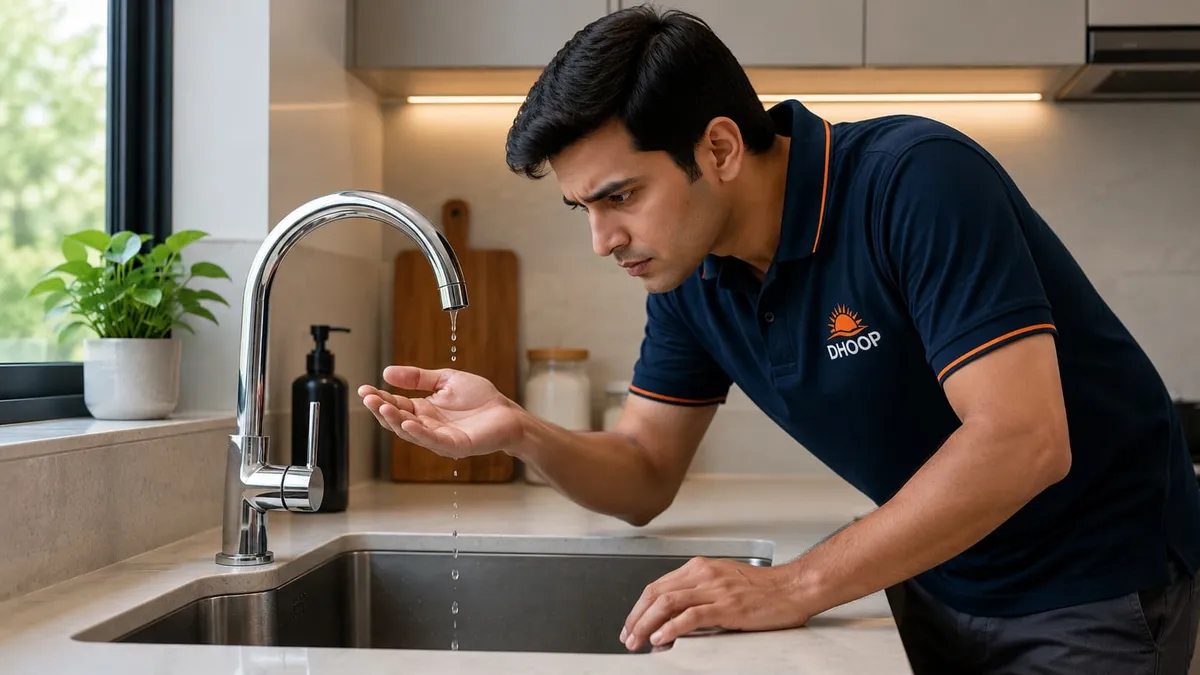
Leaking taps are one of the most common home maintenance issues in Indian households, and they're often the easiest to overlook. Many homeowners in Rudrapur face this issue due to hard water deposits that wear down washers and fittings faster than usual.
Common Causes
- Worn-out rubber washers or O-rings
- Corroded valve seats
- Loose or damaged tap fittings
- High water pressure straining old fixtures
Warning Signs
- Constant dripping sound, especially at night
- Water stains around the tap base
- Rising water bills without a clear reason
Risks of Ignoring It
A tap dripping just once or twice a second can waste several thousand litres of water over a year — enough to noticeably inflate your water bill. Household leaks of this kind add up on a national scale too: industry estimates put annual water lost to household leaks in India in the trillions of litres, which is why fixing even a "minor" drip promptly makes a real difference (SPML Infra, Water Loss Management). Over time, that constant moisture can also damage cabinets, countertops, and flooring.
Preventive Tips
- Replace washers every 12–18 months
- Avoid over-tightening taps, which wears out components faster
- Get fittings checked during routine home maintenance
- Install a water softener if your area has hard water, since mineral deposits are one of the biggest causes of premature washer wear
When to Call a Professional
If the leak persists after replacing the washer, or if you notice water seeping into the wall or cabinet behind the tap, it's time to call a qualified plumber.
2. Clogged Drains
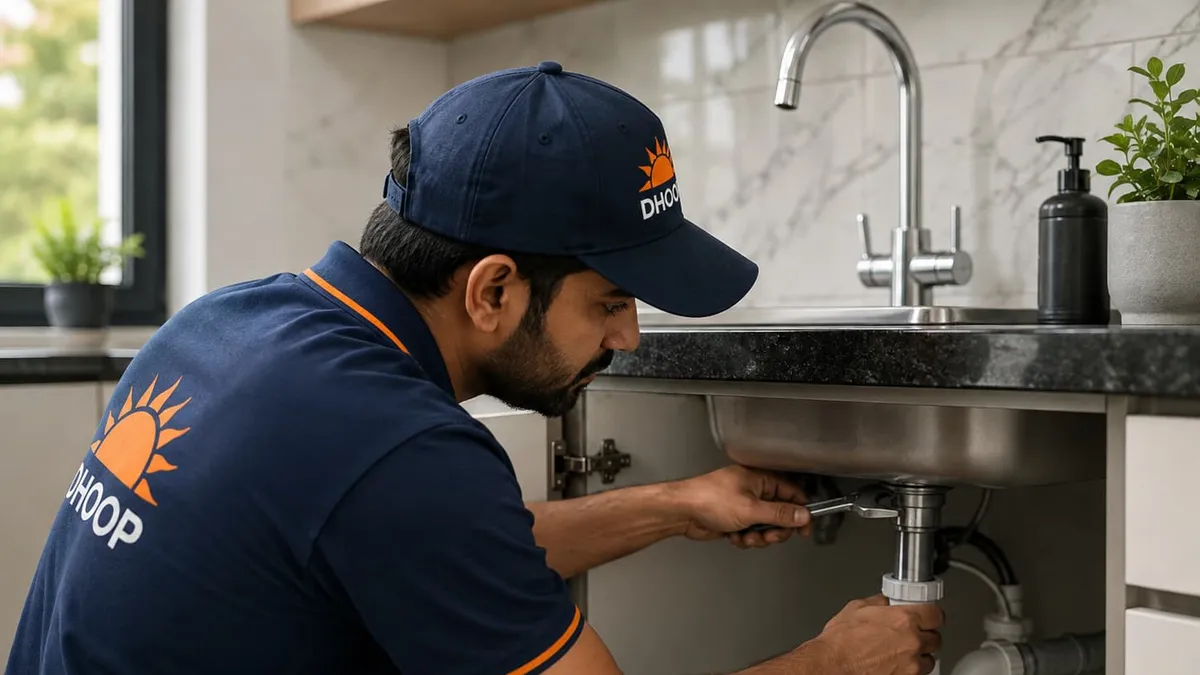
Clogged drains are near the top of every household repair guide, and for good reason — nearly every home deals with this at some point.
Common Causes
- Accumulated hair, soap scum, and grease
- Food particles in kitchen sinks
- Tree roots invading outdoor drainage pipes
- Foreign objects accidentally flushed down
Warning Signs
- Slow-draining water in sinks, tubs, or floor drains
- Gurgling sounds from pipes
- Unpleasant odours near drains
Risks of Ignoring It
Untreated clogs can lead to pipe bursts, sewage backup, and even water damage to floors and walls. It also creates a breeding ground for bacteria and pests.
Preventive Tips
- Use drain guards to catch hair and debris
- Avoid pouring oil or grease down the sink
- Flush drains monthly with hot water and baking soda
- Have kitchen and bathroom drains inspected once a year, especially in older homes with cast-iron or clay pipework
When to Call a Professional
If a plunger or basic drain cleaner doesn't work, or if multiple drains are clogged at once, it usually signals a deeper blockage that needs professional drain-cleaning equipment.
3. Flickering Lights
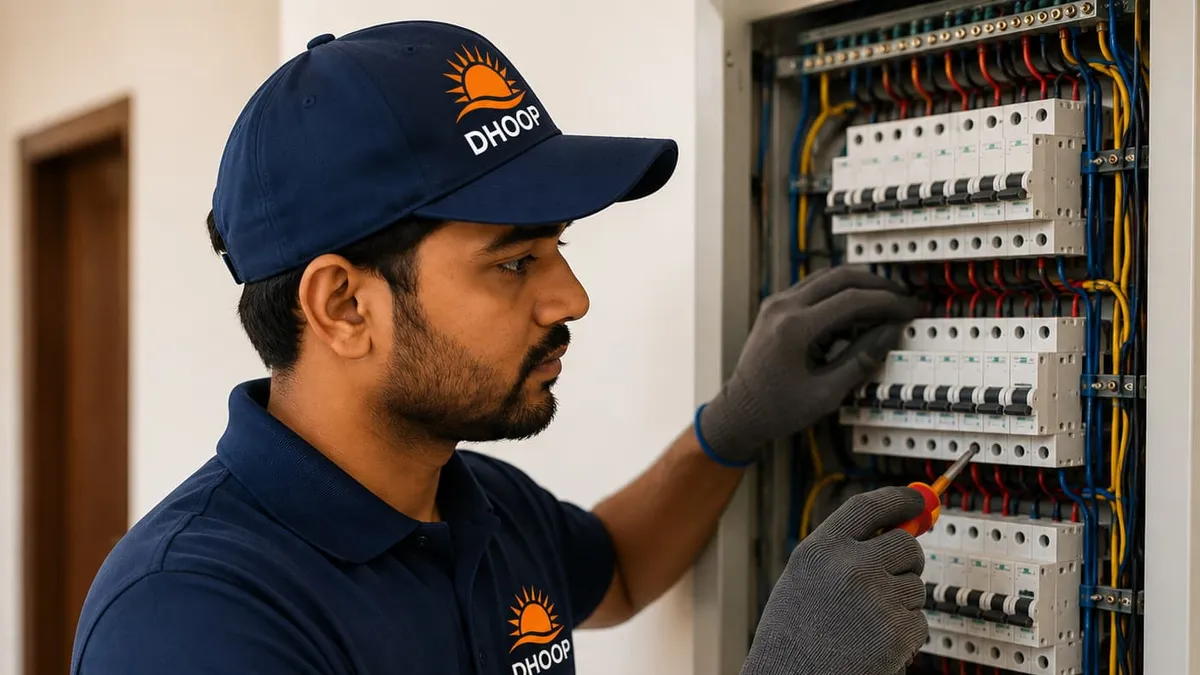
Flickering lights are more than an annoyance — they're often one of the earliest warning signs of an electrical problem.
Common Causes
- Loose bulb or faulty light fixture
- Voltage fluctuations from the power grid
- Overloaded circuits
- Ageing or damaged wiring
Warning Signs
- Lights flicker when appliances turn on
- Buzzing sound near switches or fixtures
- Frequent bulb burnouts
Risks of Ignoring It
Persistent flickering can indicate loose wiring connections, which is a genuine fire hazard. It's one of the common household problems that should never be dismissed as "just old wiring."
Preventive Tips
- Use quality bulbs suited to your fixture's wattage
- Avoid overloading a single socket with multiple appliances
- Schedule periodic electrical inspections
- Install a voltage stabiliser if flickering coincides with grid fluctuations in your area
When to Call a Professional
If flickering happens across multiple rooms or is accompanied by a burning smell, switch off the mains and call a certified electrician immediately.
4. Low Water Pressure
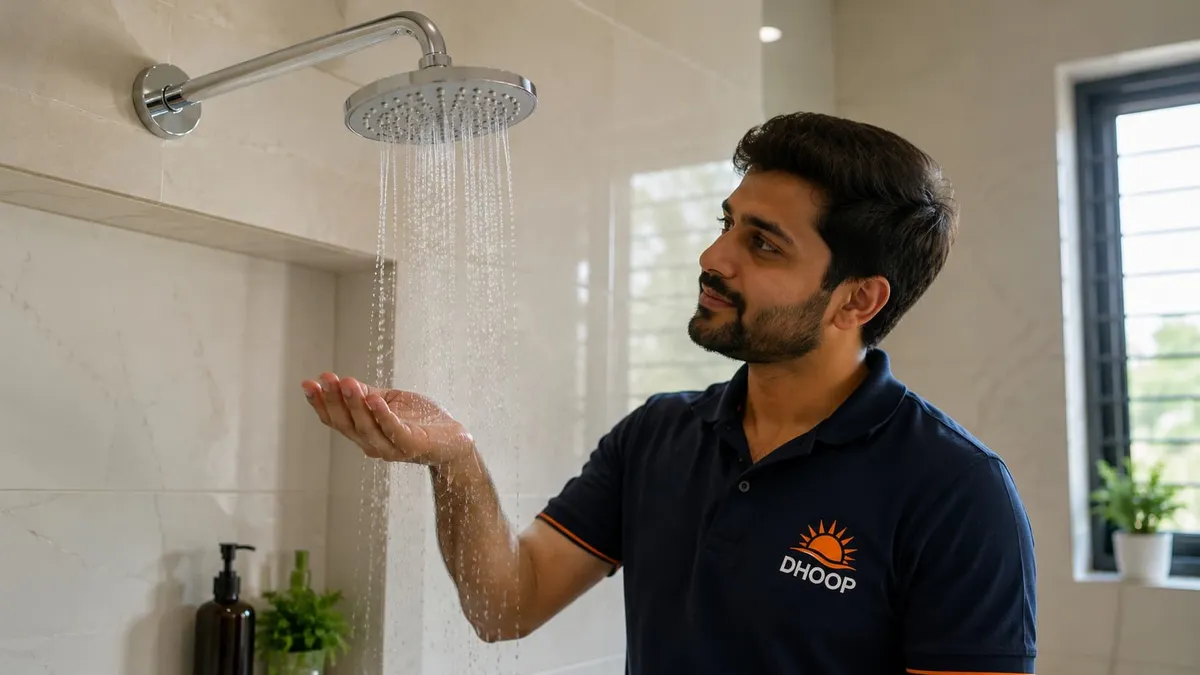
Low water pressure can turn simple tasks like showering or washing dishes into a frustrating experience.
Common Causes
- Sediment or mineral buildup in pipes
- Leaks in the water supply line
- Faulty pressure regulator or water pump
- Partially closed main shut-off valve
Warning Signs
- Weak flow from taps and showerheads
- Pressure that drops further when multiple taps are used
- Longer time to fill buckets or tanks
Risks of Ignoring It
Beyond inconvenience, low pressure can point to hidden leaks or pipe corrosion, which may worsen and cause water damage over time.
Preventive Tips
- Clean showerhead and tap aerators regularly
- Install a water softener in hard-water areas
- Get your overhead tank and pump serviced annually
- Check for shared plumbing issues with neighbours in apartment buildings before assuming the fault is inside your unit
When to Call a Professional
If cleaning fixtures doesn't help, or pressure has dropped suddenly across the whole house, a plumber should inspect your pipeline and pump system.
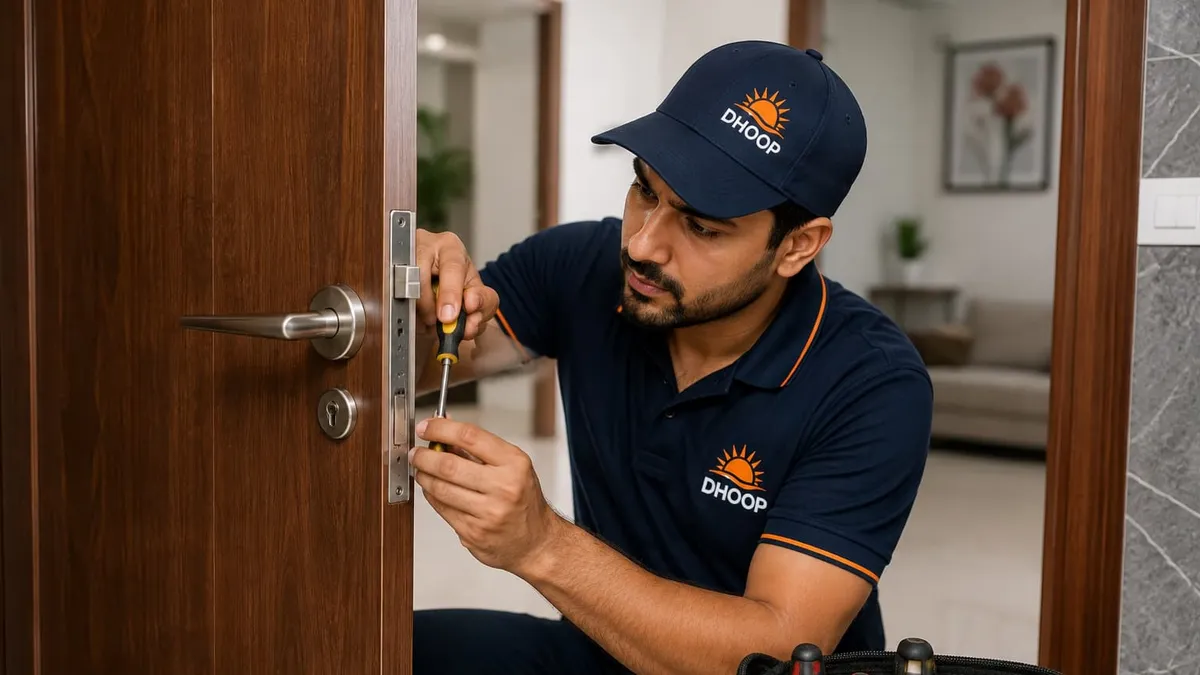
5. Broken Door Locks
A malfunctioning door lock isn't just inconvenient — it's a direct security risk for your home and family.
Common Causes
- Worn-out internal lock mechanisms
- Rust or dirt buildup in older locks
- Misaligned door frames
- Broken keys stuck inside the lock
Warning Signs
- Key sticks or turns with difficulty
- Lock doesn't latch properly
- Visible rust or looseness in the mechanism
Risks of Ignoring It
A faulty lock compromises home security and can leave you locked out — or worse, unable to lock up at all.
Preventive Tips
- Lubricate locks every few months with a graphite-based lubricant
- Avoid slamming doors, which strains the mechanism
- Replace locks older than 7–10 years
- Check hinge alignment periodically, since a shifting door frame is a common hidden cause of locks that suddenly stop latching
When to Call a Professional
If the lock is jammed, the door frame is misaligned, or you suspect a security breach, call a locksmith or handyman rather than forcing it open. If you're calling in outside help for the first time, our guide on mistakes to avoid while hiring home service professionals is worth a quick read before you book anyone.
6. Ceiling Fan Problems
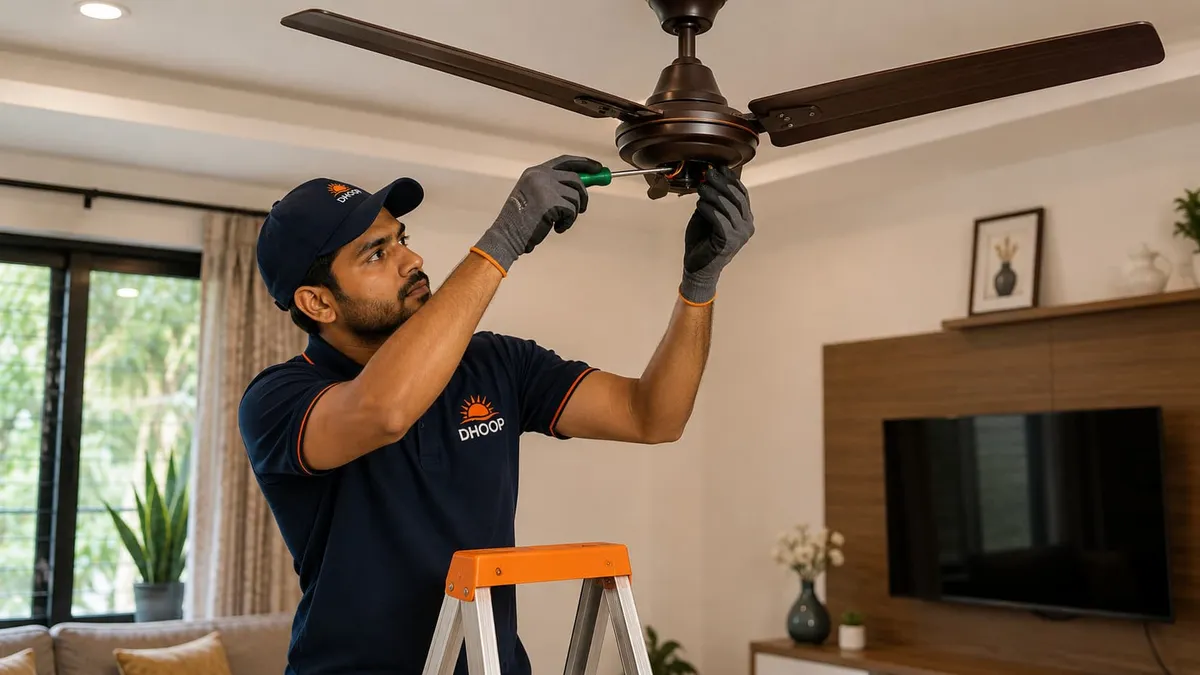
Ceiling fans work overtime in Indian homes, so it's no surprise they're a frequent source of common home maintenance issues.
Common Causes
- Loose or worn-out bearings
- Dust accumulation causing imbalance
- Faulty capacitor affecting speed
- Loose blade brackets or screws
Warning Signs
- Wobbling or shaking while running
- Unusual clicking or grinding noise
- Fan running slower than usual despite full speed setting
Risks of Ignoring It
A wobbling fan can eventually loosen from its mount, posing a serious safety hazard, especially in bedrooms and living areas.
Preventive Tips
- Clean fan blades monthly to prevent imbalance
- Tighten screws and brackets periodically
- Avoid running fans at high speed continuously in older units
- Balance blades with a fan-balancing kit if wobbling persists after cleaning, before assuming the motor is at fault
When to Call a Professional
If the wobbling continues after cleaning and tightening, or if you notice electrical sparks or a burning smell, call an electrician to inspect the motor and wiring.
7. Damp Walls and Water Seepage
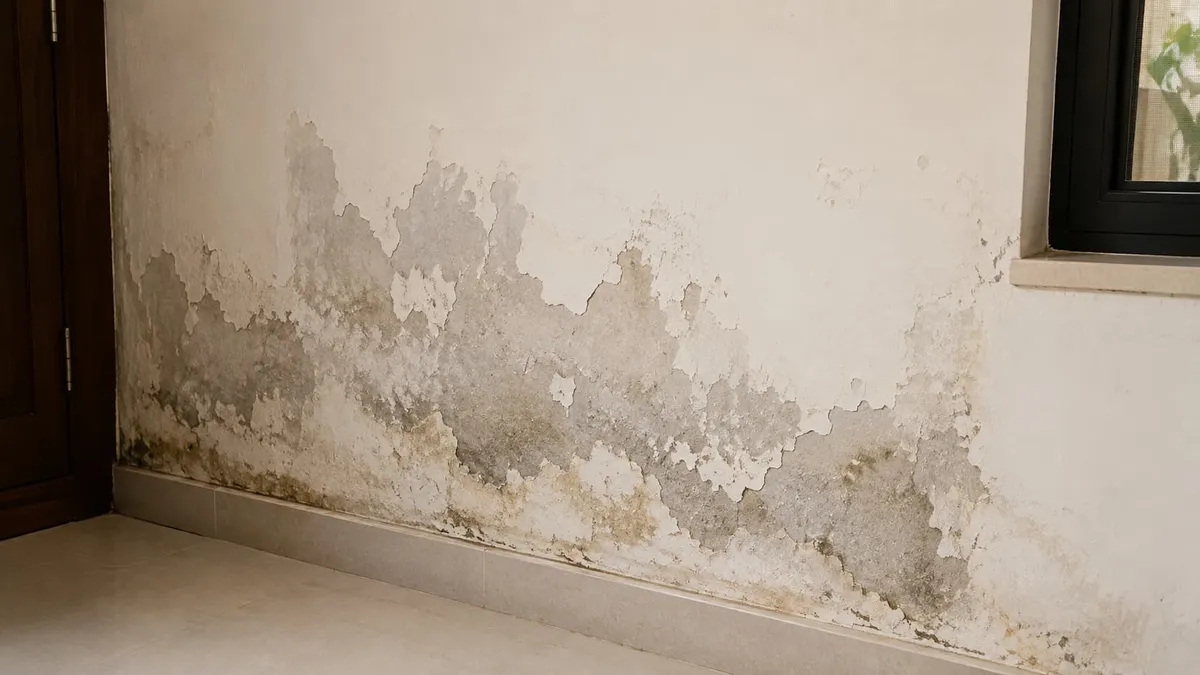
Damp walls are among the most damaging common household problems because they affect both structure and health.
Common Causes
- Leaking pipes hidden inside walls
- Poor waterproofing on terraces or exterior walls
- Capillary rise from ground moisture
- Blocked or damaged rainwater drainage
Warning Signs
- Discoloured or peeling paint
- Musty smell in the room
- Visible mould or fungal growth
Risks of Ignoring It
Prolonged seepage weakens plaster and concrete, damages electrical wiring embedded in walls, and can trigger respiratory issues from mould exposure.
Preventive Tips
- Waterproof terraces and exterior walls before monsoon
- Ensure proper slope and drainage around the foundation
- Fix minor cracks before they widen
- Ventilate bathrooms and kitchens well to reduce indoor humidity buildup, which accelerates damp patches in poorly ventilated rooms
When to Call a Professional
If damp patches keep returning after painting, or the source of moisture isn't visible, a waterproofing specialist should assess the root cause.
8. Faulty Electrical Switches
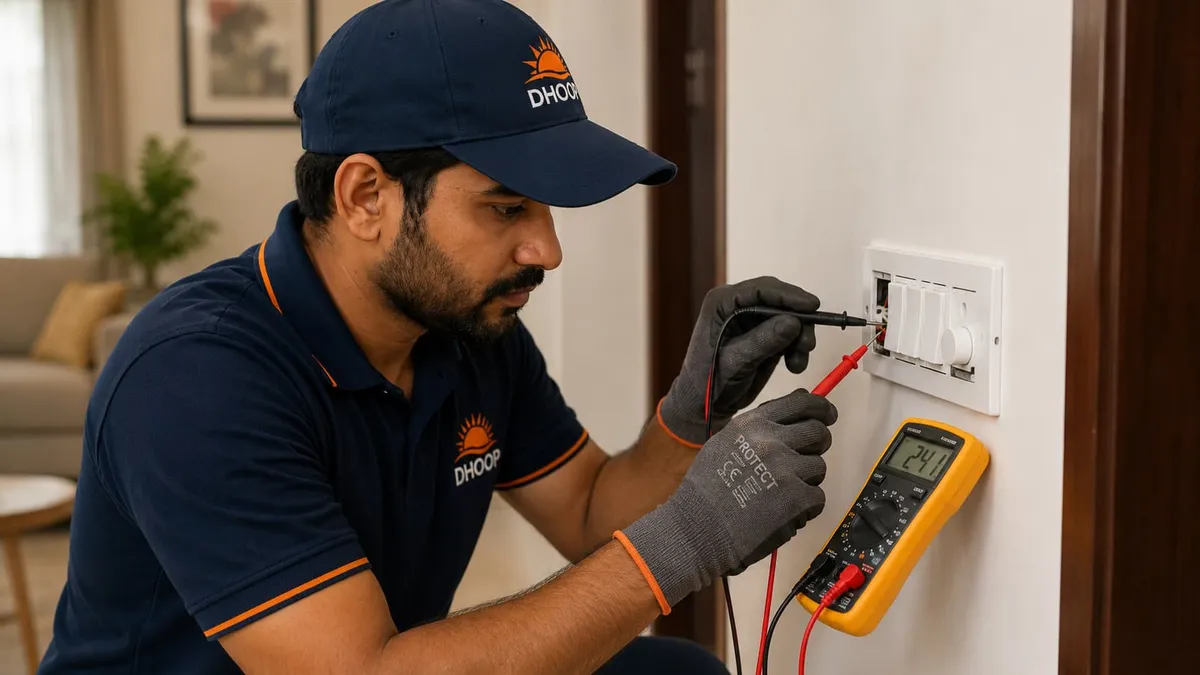
Faulty switches are small in size but significant in risk, making them one of the more serious home repair problems to address quickly.
Common Causes
- Loose internal wiring connections
- Worn-out switch mechanism
- Moisture intrusion, especially in bathrooms or kitchens
- Overuse beyond the switch's rated capacity
Warning Signs
- Switch feels warm to touch
- Sparking when toggled
- Switch doesn't turn appliances on/off consistently
Risks of Ignoring It
Faulty switches are a leading cause of household electrical fires. Even minor sparking should be treated as a warning sign, not a quirk. This isn't a small concern — fire services in major Indian cities attribute a large majority of urban fire incidents to electrical faults, with loose connections and worn-out switches among the most common root causes (Central Electricity Authority, which sets India's electrical safety codes and regulations).
Preventive Tips
- Avoid touching switches with wet hands
- Use BIS (ISI)-marked switches and sockets, since certified fittings are tested against India's official electrical safety standards
- Replace switches that feel loose or unstable
- Have your switchboard load-checked if you've added several new high-wattage appliances recently
When to Call a Professional
Any sign of sparking, heat, or burning smell means it's time to switch off the circuit and call a certified electrician immediately — this isn't a DIY fix.
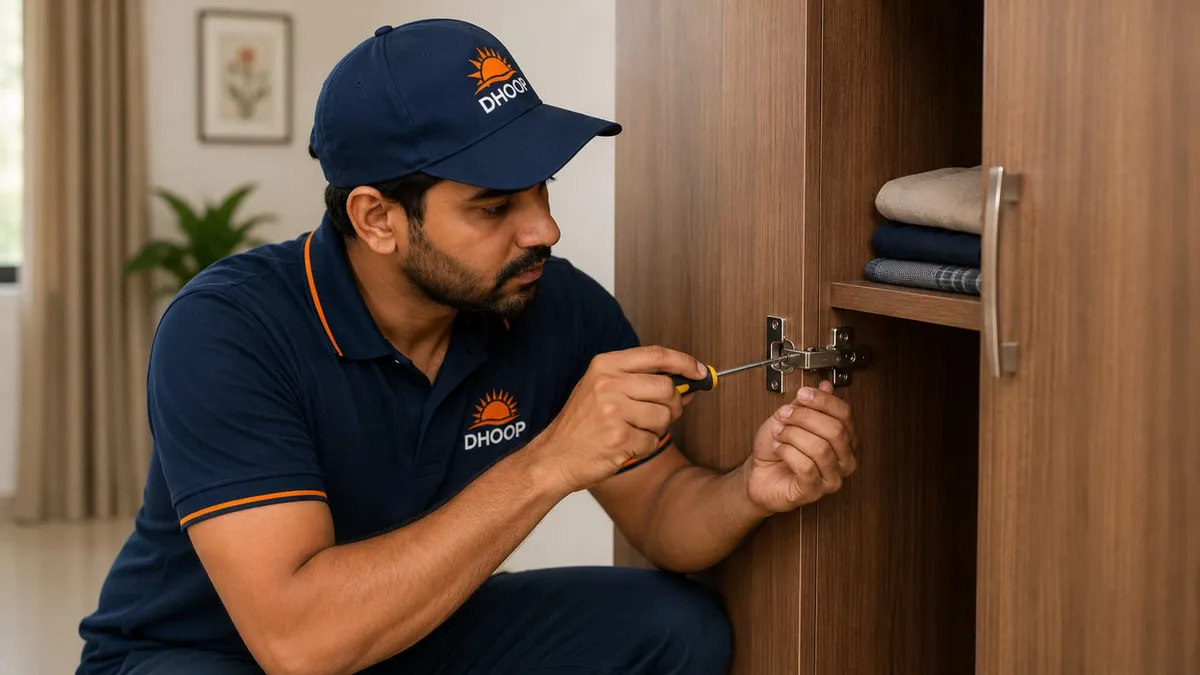
9. Loose Furniture and Cabinet Hinges
Loose hinges might seem trivial, but they're one of the most frequent common home maintenance issues in daily use.
Common Causes
- Repeated opening and closing over time
- Poor-quality hardware
- Humidity causing wood to expand and contract
- Overloaded shelves or cabinets
Warning Signs
- Doors or drawers sagging or misaligned
- Creaking or grinding sounds
- Visible gaps between hinge and frame
Risks of Ignoring It
Loose hinges can eventually cause doors to fall off entirely, damaging the furniture and potentially causing injury.
Preventive Tips
- Tighten screws every few months
- Avoid overloading cabinet doors and drawers
- Use furniture wax or lubricant on moving parts
- Fill worn screw holes with wood filler or matchsticks before re-driving screws, so the hinge has fresh material to bite into
When to Call a Professional
If the wood around the hinge has splintered or the frame itself is damaged, a carpenter can repair or reinforce it properly instead of a temporary fix.
10. Wall Cracks
Wall cracks are one of the more concerning household problems because they can range from harmless to structurally serious.
Common Causes
- Natural settling of the building
- Poor-quality construction materials
- Temperature and humidity fluctuations
- Underlying structural stress
Warning Signs
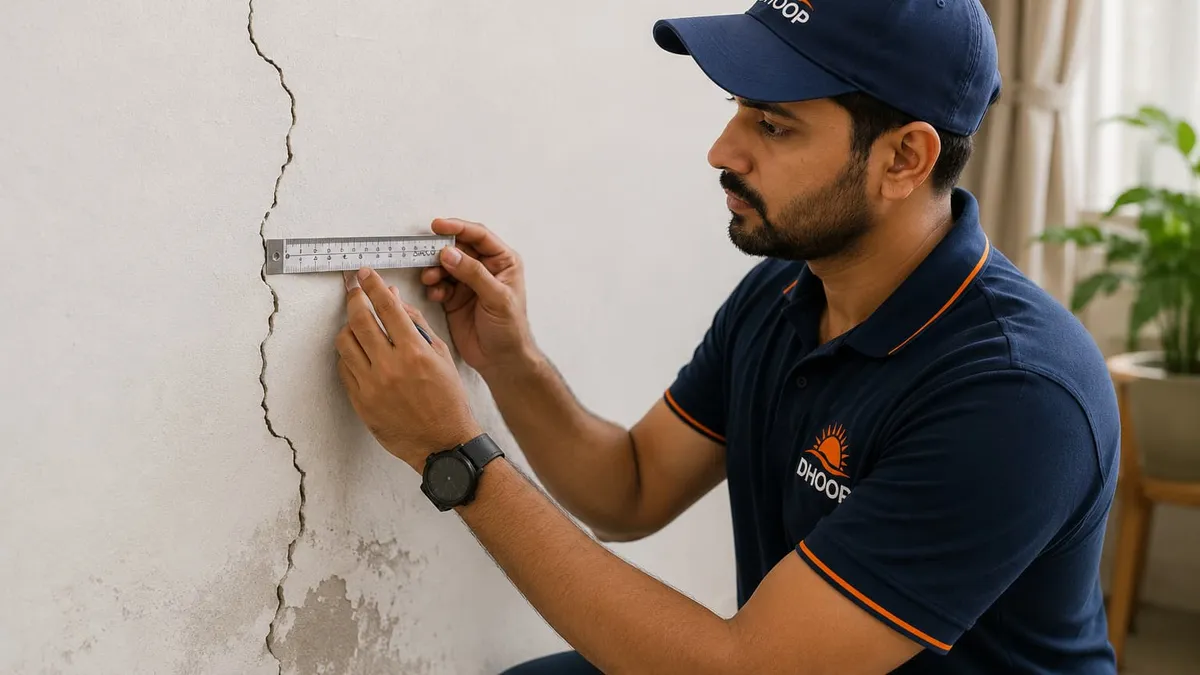
- Cracks wider than 3mm
- Diagonal or stair-step shaped cracks
- Cracks that reappear after patching
Risks of Ignoring It
While hairline cracks are usually cosmetic, wider or spreading cracks can indicate foundation or structural issues that worsen over time if left unaddressed.
Preventive Tips
- Monitor crack width and length over a few weeks
- Ensure proper drainage away from the foundation
- Repaint and seal minor cracks promptly
- Mark the ends of a crack with a pencil and date it, so you can objectively track whether it's growing before deciding whether to call an engineer
When to Call a Professional
If a crack is growing, appears diagonally, or runs through a load-bearing wall, consult a structural engineer or civil contractor before it becomes a bigger safety concern. The National Disaster Management Authority offers guidance on assessing structural safety and building damage, which is a useful reference if you're unsure whether a crack warrants professional attention.
DIY or Call a Professional? Quick Reference
| Problem | DIY? | Call a Professional? |
|---|---|---|
| Leaking Tap | ✔ Sometimes | If leak persists |
| Flickering Lights | ✘ | Immediately |
| Damp Walls | ✘ | Yes |
| Loose Hinges | ✔ | If wood is damaged |
| Wall Cracks | Minor only | Structural cracks |
Preventive Home Maintenance Tips
A little consistency goes a long way in avoiding these common household problems altogether.
- Create a maintenance calendar. Schedule seasonal checks for plumbing, electrical, and waterproofing before monsoon and summer.
- Don't delay small repairs. A minor leak or loose hinge today is a bigger, costlier problem tomorrow.
- Keep essential contacts handy. Have a trusted plumber, electrician, and carpenter you can call when needed.
- Inspect hidden areas. Check under sinks, behind appliances, and inside cabinets periodically for early signs of damage.
- Invest in quality fittings. ISI-marked electrical fittings and branded plumbing components last significantly longer.
- Service major systems annually. Overhead tanks, water pumps, and switchboards benefit from a yearly professional check-up, even if nothing seems wrong.
- Keep a repair log. Noting down what was fixed and when helps you (and any professional you call later) spot recurring problems faster.
Following these home maintenance tips consistently can reduce emergency repairs by a large margin over the years. As CPWD's own maintenance guidelines note, neglecting routine maintenance and preventive measures leads to more extensive periodical maintenance and, eventually, major repair or restoration that could otherwise have been avoided or postponed — a principle that applies just as much to a single-family home as it does to a government building.
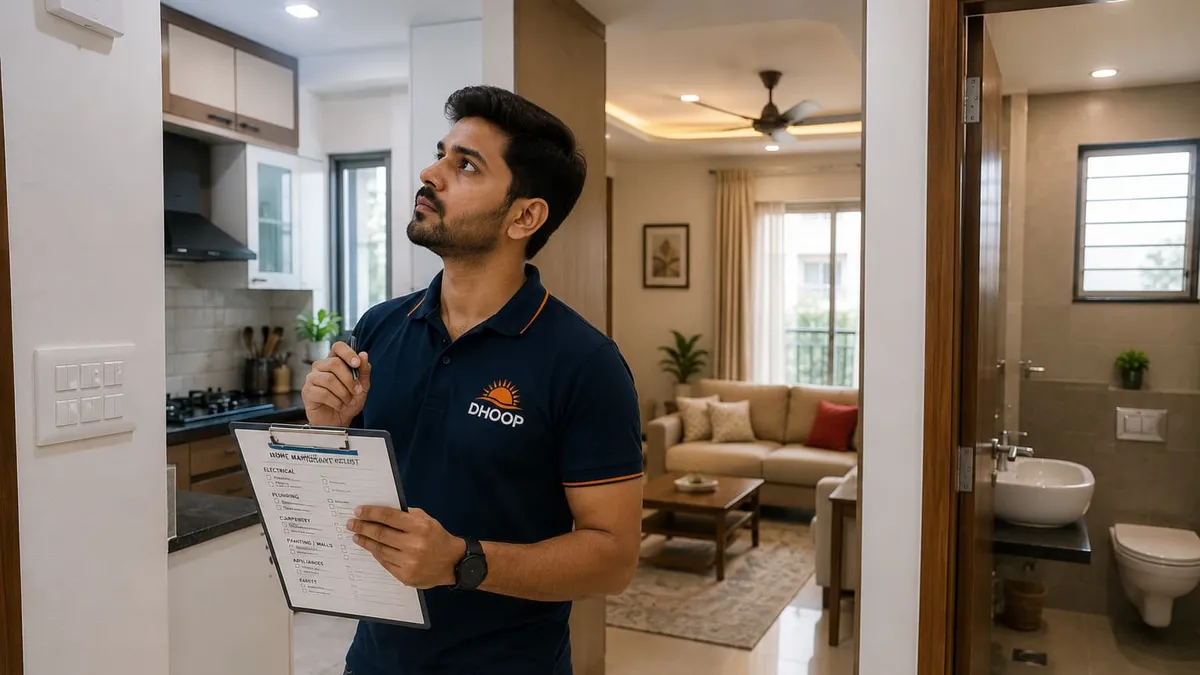
A Simple Seasonal Checklist
- Before monsoon: Waterproof terraces and exterior walls, clear rainwater drains, check window and door seals.
- After monsoon: Inspect walls for new damp patches, check switchboards for moisture damage, service water pumps.
- Before summer: Check ceiling fans and coolers, inspect wiring load if you're adding AC units, clean water tanks.
- Year-round: Test locks, tighten loose hinges, and flush drains monthly.
When Should You Call a Professional?
DIY fixes work fine for small, low-risk tasks. But certain situations call for expert intervention right away.
Call a professional immediately if you notice:
- Sparking, burning smells, or warm switches and outlets
- Water seepage from an unknown or hidden source
- Structural cracks that are widening or diagonal
- Persistent plumbing issues after basic troubleshooting
- Any repair involving gas lines or main electrical panels
Knowing when to call a professional isn't about giving up on DIY — it's about protecting your home, your family, and your budget from bigger problems down the line.
Why Trust DHOOP?
Our verified home service professionals have helped hundreds of homeowners in Rudrapur solve plumbing, electrical, carpentry, and home maintenance issues safely and efficiently. Every professional listed on DHOOP is background-checked before they're allowed to take on bookings, and the advice in this guide reflects the same practical, safety-first approach our team applies to every job — nothing here is generic filler; it's drawn from patterns our editorial team sees repeatedly on real service calls across Rudrapur.
If you'd rather not wait until a small issue turns into an emergency, you can browse our Plumber Services, Electrician Services, Carpenter Services, and Waterproofing Services, or read more About DHOOP. And before your next booking, it's worth revisiting our advice on mistakes to avoid while hiring home service professionals so you know what to look for.
Conclusion
Every homeowner deals with these common household problems at some point — it's simply part of maintaining a home. The key difference is in how quickly and correctly they're addressed.
Small, consistent maintenance habits can prevent most of these issues from escalating. But for anything involving electrical safety, structural integrity, or persistent plumbing trouble, calling a qualified professional is always the safer, smarter choice.
Need help fixing any of these household problems?
Don't wait until a small household problem turns into an expensive repair. Whether it's plumbing, electrical work, carpentry, or waterproofing, DHOOP connects you with verified professionals in Rudrapur who get the job done safely and reliably.
Learn more on our [About DHOOP Home Services](/about) page, [get in touch with our team](/#contact), and before you hire anyone, read our guide on [mistakes to avoid while hiring home service professionals](/mistakes-while-hiring-home-service-professionals-rudrapur) to make an informed choice.
Frequently Asked Questions
Leaking taps, clogged drains, flickering lights, damp walls, and faulty switches are among the most frequently reported common household problems across Indian homes.
Yes, replacing a washer is usually a simple DIY task. However, if the leak continues or you notice water damage nearby, it's best to call a plumber.
Cracks wider than 3mm, diagonal in shape, or that keep reappearing after repair usually indicate a structural issue and need professional assessment.
Wobbling that continues after cleaning often points to worn bearings, loose brackets, or motor issues, which require a technician's inspection.
Not always — sometimes it's just a loose bulb. But if it happens consistently or across multiple fixtures, it could signal a wiring issue.
Ideally, plumbing and electrical systems should be checked twice a year, with additional waterproofing checks before the monsoon season.
Sudden drops in pressure are often due to pipe leaks, valve issues, or pump malfunctions and usually require a plumber's diagnosis.
If damp patches return after repainting or if mould develops, it's a sign of an underlying seepage source that needs professional waterproofing.
Costs vary widely depending on the issue and its severity — a washer replacement is inexpensive, while structural crack repair or full waterproofing can cost significantly more. Getting an inspection first helps you understand the real scope before committing to a fix.
Yes. Most of the issues in this guide — leaks, wobbling fans, loose hinges, minor damp patches — are far cheaper to prevent through routine checks than to repair once they've escalated.
About this article
Reviewed by: DHOOP Editorial Team — Reviewed by experienced home service professionals with expertise in plumbing, electrical work, carpentry, and home maintenance in Rudrapur. Helping homeowners in Rudrapur with trusted home maintenance and repair advice.
References
- Bureau of Indian Standards (BIS) — for ISI-marked electrical and plumbing fittings standards.
- Central Public Works Department (CPWD) — for building maintenance and construction guidelines.
- Ministry of Housing and Urban Affairs, Government of India — for housing and urban infrastructure standards.
- National Disaster Management Authority (NDMA) — for structural safety and building damage assessment guidance.
- Central Electricity Authority (CEA) — for electrical safety codes and regulations.
- SPML Infra — Water Loss Management — industry estimates on annual water lost to household leaks in India.
Keep reading
Pick whichever guide fits what you need next.
More guides
Home Setup & Maintenance Guide for Rudrapur
Renting, building or renovating in Rudrapur? Get a complete home setup & maintenance checklist covering electrical, plumbing, painting & more.
Read guideNew House in Rudrapur? 25 Things to Check
Moving into a new house in Rudrapur? Use this 25-point checklist to inspect electricity, plumbing, drainage, pests, and more before you move in.
Read guideRudrapur Home Maintenance Guide: Before Every Season
A practical home maintenance guide for Rudrapur homeowners — what to check before summer, monsoon and winter, warning signs, and safe DIY vs professional help.
Read guide