
Your New House in Rudrapur
You've finally got the keys. The paperwork is done, the deal is closed, and your new house in Rudrapur is officially yours — whether it's a fresh purchase, a rented flat, a newly constructed home, or a freshly renovated property. It's an exciting moment, and it's tempting to start moving boxes in right away.
But here's the thing: a house can look completely ready during a quick walk-through and still be hiding real problems. A tap that looks fine might have weak pressure. A wall that looks freshly painted might already have dampness underneath. Switches might work individually but trip the moment you plug in an appliance. Drains might look clean but drain slowly. There could be loose electrical connections, poor ventilation, an uncleaned water tank, leftover construction dust, or even early signs of pest activity that aren't obvious at first glance.
The smart move is to check all of this before your furniture, boxes, and family move in — not after. An empty house is far easier to inspect than a fully furnished one, and any repairs are much simpler to arrange when there's nothing in the way.
This checklist walks you through 25 practical things to check before moving into a new house in Rudrapur, room by room, system by system — so you can walk through the property with your family and know exactly what's ready and what needs attention.
25 Things to Check Before Moving Into a New House in Rudrapur
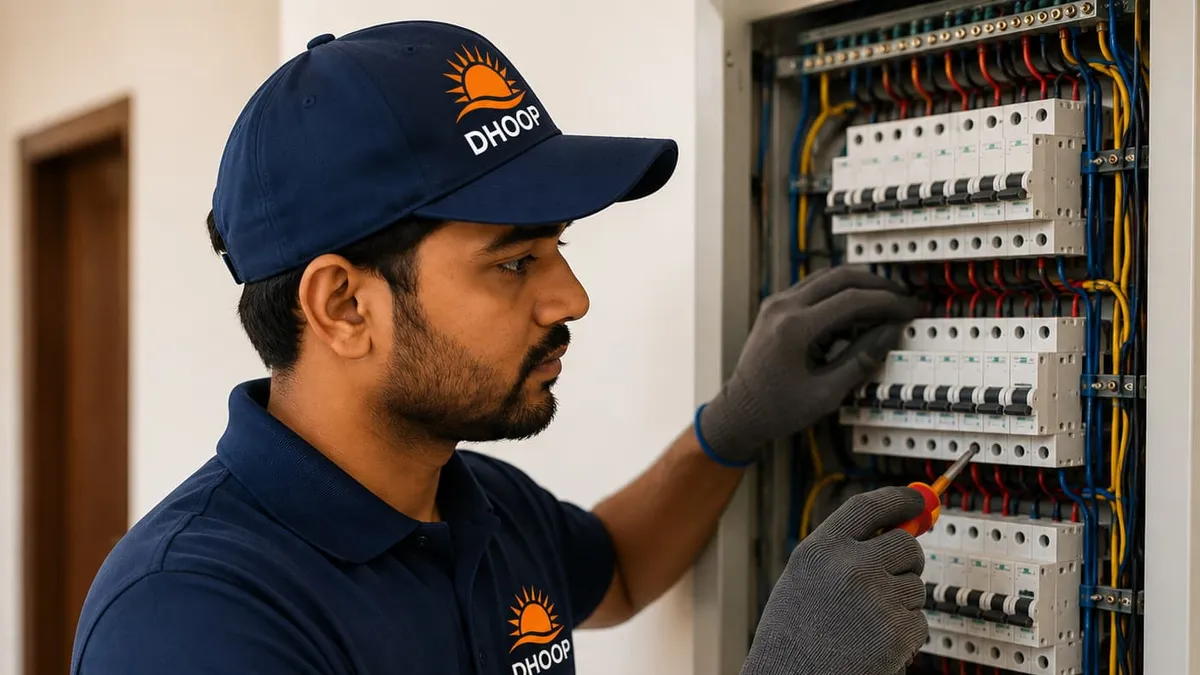
1. Electricity and Main Distribution Board
What to check: The main electrical panel (MCB board), individual MCBs for each circuit, and the overall condition of the wiring entry point.
How to check it: Visually inspect the accessible exterior of the panel for labels, damage, scorch marks, rust, or exposed wiring. Do not remove the panel cover or touch electrical components. Note whether the panel is labelled (kitchen, bedroom, etc.) — if not, ask the builder or landlord for a layout.
Why it matters: The distribution board controls power to your entire house. A fault here can affect every room and, in worst cases, become a safety hazard.
When to call a professional: Never open the panel cover, touch live wires, or attempt any repair yourself. If you notice a burning smell, blackened switches, exposed wiring, or MCBs that trip repeatedly, call a licensed electrician in Rudrapur before using that circuit at all.
2. Test Every Light Switch and Socket
What to check: Every switch, socket, fan regulator, and USB socket (if fitted) in every room, including balconies and storage areas.
How to check it: Carry a simple device like a phone charger or a small lamp and plug it into every socket, one by one. Flip every switch. Check that switch plates aren't cracked or loose on the wall.
Why it matters: Testing room by room while the house is still empty makes it far easier to pinpoint a faulty socket than after your furniture is blocking access to it.
When to call a professional: If a socket sparks, feels warm, or a switch doesn't respond at all, mark it and get an electrician to inspect it before it's used.
3. Check Water Supply and Water Pressure
What to check: Water flow and pressure at the kitchen tap, bathroom taps, shower, and washbasins.
How to check it: Turn on each tap fully and observe the flow — is it steady, or does it sputter and weaken? Let it run for a minute to see if pressure drops or the water turns cloudy or discoloured.
Why it matters: Weak or inconsistent pressure could point to a blockage, an undersized pipe, or a problem with the overhead tank supply — something you'll want to know before you're relying on it daily.
When to call a professional: If pressure is consistently poor across multiple taps, or water appears rusty or muddy, call a plumber in Rudrapur to check the supply line and tank connection.
4. Inspect Every Visible Plumbing Connection
What to check: The pipe joints and connections under sinks, washbasins, inside kitchen cabinets, and around toilets.
How to check it: Open every cabinet door under a sink and look (and feel) for dampness, drips, or a slow water stain building up. Check for any greenish or white corrosion around metal joints.
Why it matters: A slow leak under a cabinet is easy to miss until it has already damaged the wood or the flooring beneath it.
When to call a professional: Any visible dripping, corrosion, or a persistent damp smell under a cabinet is a job for a plumber — catching it now is far cheaper than fixing water damage later.

5. Test Every Drain
What to check: Kitchen sink drain, bathroom floor drains, washbasin drains, and any balcony or terrace drains.
How to check it: Pour a bucket of water into each drain and observe how it flows. The water should drain steadily without significant pooling, backing up, or unusual gurgling.
Why it matters: Slow drainage often means a partial blockage that will only get worse once the house is in daily use.
When to call a professional: If water pools, drains slowly, or makes gurgling sounds, get a plumber to clear the line before you move in — it's a quick fix now and a bigger one later.
6. Check Toilets and Flush Systems
What to check: Flush mechanism, tank refill, base of the toilet, and any smell around the unit.
How to check it: Flush each toilet and watch the tank refill — it should stop cleanly without continuous trickling. Run your hand around the base to check it's dry and firmly seated.
Why it matters: A running cistern wastes water continuously, and a loose or leaking base can indicate a faulty seal that leads to hidden leakage under the floor.
When to call a professional: Persistent trickling, a wobbly toilet base, or any smell of sewage calls for a plumber's inspection before the toilet is used regularly.
7. Inspect Walls and Ceilings for Dampness
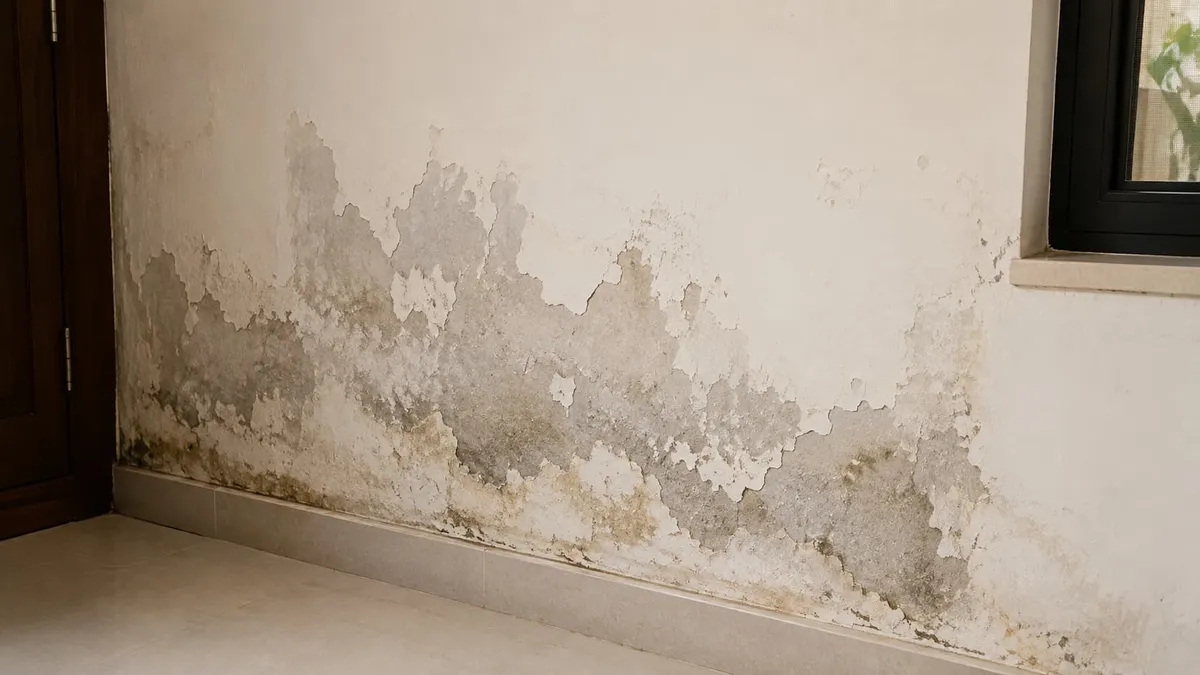
What to check: Dark patches, bubbling or peeling paint, and any musty smell on walls and ceilings — particularly in corner rooms, bathrooms, and rooms sharing a wall with the exterior.
How to check it: Walk through every room and look up as well as around. Press gently on any suspicious patch — if it feels soft or damp, that's a red flag.
Why it matters: Dampness is worth catching early anywhere, but it's especially important to inspect thoroughly around and after the monsoon season in Rudrapur, when moisture tends to reveal weak spots in waterproofing that aren't visible in dry weather.
When to call a professional: If you find soft patches, active moisture, or recurring stains, get the source of the leak checked before doing any repainting — painting over damp walls only hides the problem temporarily.
8. Check Roof, Terrace and Balcony Drainage
What to check: Whether rainwater outlets are clear, whether water pools anywhere on the terrace or balcony, and whether there are visible cracks in the flooring or parapet.
How to check it: Look at the slope of the terrace/balcony floor and check that drain outlets aren't blocked with debris. If possible, pour a bucket of water near the outlet to confirm it drains away properly.
Why it matters: Blocked or poorly sloped drainage on a roof or balcony is one of the most common causes of seepage into the rooms below, and this becomes far more noticeable once the monsoon sets in.
When to call a professional: Cracks, pooling water, or a drain that won't clear should be looked at by a professional before the rains arrive.
9. Inspect Doors and Windows
What to check: Every door and window — how smoothly they open and close, the condition of locks and handles, hinges, and any visible gaps.
How to check it: Open and close each door and window fully. Check that locks engage properly and that there are no gaps large enough to let in dust, insects, or draughts. Slide window tracks back and forth to feel for stiffness.
Why it matters: Doors and windows that don't seal properly let in dust and reduce security, and sticking hinges or tracks usually get worse with time rather than better.
When to call a professional: Warped frames, broken locks, or windows that won't close fully are best handled by a carpenter in Rudrapur before move-in.
10. Check Ventilation
What to check: Natural cross-ventilation through windows, and mechanical ventilation such as exhaust fans in the kitchen and bathrooms.
How to check it: Open windows on opposite sides of a room to see if air actually moves through. Switch on each exhaust fan and check that it's pulling air out, not just spinning.
Why it matters: Good ventilation reduces indoor moisture, prevents lingering cooking odours, and generally makes the home more comfortable to live in.
When to call a professional: If an exhaust fan doesn't work or a bathroom has no ventilation at all, have an electrician or technician check the wiring and fan unit.
11. Check AC Points and Cooling Setup
What to check: For a house with an AC already installed, check the indoor and outdoor units, drainage pipes, and electrical points. For a house without one, check that the electrical point and outdoor unit space are ready.
How to check it: Run the AC on cooling mode for 15–20 minutes and check that it cools evenly without unusual noise. Look at the outdoor unit for secure mounting and check that the drain pipe isn't dripping indoors.
Why it matters: Not every new house needs an AC immediately, but if one is already fitted, or Rudrapur's summer heat means you're planning to install one, it helps to know upfront whether the existing setup is sound.
When to call a professional: New AC installation, servicing, or gas refilling should always be handled by a qualified AC technician — this isn't a DIY job.
12. Test Fans and Other Fixed Electrical Appliances
What to check: Ceiling fans, exhaust fans, geyser, chimney (if fitted), and any other built-in appliances.
How to check it: Switch on each fan at different speeds and listen for wobbling, rattling, or grinding sounds. Run the geyser briefly to check that it heats water and doesn't leak.
Why it matters: Fixed appliances are easy to overlook during a quick viewing but are expensive and disruptive to fix once you're settled in.
When to call a professional: Unusual noise, vibration, or a geyser that doesn't heat properly needs an electrician or appliance technician before regular use.
13. Inspect Kitchen Cabinets and Countertops
What to check: Cabinet hinges, drawer sliding, handles, shelf strength, countertop surface, and the area under the sink.
How to check it: Open and close every cabinet and drawer. Press along the countertop edges for cracks or chips. Check under the sink cabinet for any dampness.
Why it matters: The kitchen sees heavy daily use, so minor issues with hinges or moisture tend to turn into bigger problems quickly.
When to call a professional: Loose hinges or drawer tracks are a quick fix for a carpenter; persistent moisture under the sink should go to a plumber first.
14. Check Bathroom Fixtures and Tiles
What to check: Taps, shower, toilet, tiles, grout lines, mirrors, and towel fixtures.
How to check it: Run the shower and taps for a few minutes. Look for visibly loose tiles, cracked grout, or movement under light pressure. A hollow sound when tapping a tile can sometimes indicate poor adhesion, but it should be assessed by a professional if you suspect a problem, rather than relied on as a definite sign.
Why it matters: Loose tiles or failing grout in a bathroom often lead to water seeping behind the tiles, which is far more disruptive to fix once it's affected the wall underneath.
When to call a professional: Loose tiles, cracked grout, or any seepage should be checked by a tiling professional or plumber before the bathroom is in regular use.
15. Check Flooring
What to check: Every room's flooring for cracked or loose tiles, uneven patches, damaged edges, and stains.
How to check it: Walk slowly across each room, and where possible, tap tiles near the edges and corners to check they're firmly set. Take note of any visible stains or unevenness.
Why it matters: Existing flooring damage is much easier to spot and document in an empty room. This matters even more for rented homes, where any damage found later could be wrongly attributed to you.
When to call a professional: Loose or cracked tiles are best replaced before you move furniture on top of them, ideally by a flooring or tiling professional.
16. Check Paint and Finishing Work
What to check: Unfinished patches, peeling paint, cracks, stains, and general quality of the finishing throughout the house.
How to check it: Walk through each room in good daylight and look closely at wall corners, near switchboards, and around windows and doors — these areas often reveal rushed finishing work.
Why it matters: For a newly purchased or newly constructed home, it's worth documenting any finishing defects clearly before you sign off on final handover, since builders typically address such issues only if they're raised at this stage.
When to call a professional: Minor touch-ups can often wait, but larger cracks or unfinished patches should be flagged to the builder or a painting professional before you settle in.
17. Check Furniture and Carpentry
What to check: Wardrobes, cabinet doors, drawers, shelves, hinges, locks, and general wooden panelling, if furniture is included with the house.
How to check it: Open and close every door and drawer. Check for swelling (which can indicate past moisture exposure), rough or unfinished edges, and whether locks and handles work smoothly.
Why it matters: Wooden furniture issues — especially swelling or poor finishing — tend to point to either moisture exposure or low-quality work, both worth knowing about early.
When to call a professional: Sticking doors, broken hinges, or damaged panels are straightforward jobs for a carpenter in Rudrapur.
18. Look for Pest and Termite Signs
What to check: Wooden furniture, cupboards, skirting, corners of rooms, kitchen, bathroom, balconies, and storage areas.
How to check it: Look for termite mud tubes along walls or wooden edges, small piles of wood dust (frass) near furniture, hollow-sounding wood when tapped, or general insect activity in damp corners.
Why it matters: Termite damage often starts unnoticed and can seriously affect wooden fittings and furniture if left untreated.
When to call a professional: Any sign of mud tubes, wood dust, or damaged wood should be checked immediately by a pest control professional before you bring in your own furniture.
19. Clean the Water Tank
What to check: Overall cleanliness of the overhead or underground water tank, condition of the lid, visible sediment, and any leakage or overflow issue.
How to check it: If accessible, open the tank lid and shine a torch inside to check for sediment, algae, or debris. Ask the builder, previous owner, or landlord when it was last cleaned.
Why it matters: A tank that hasn't been cleaned recently can affect the water quality throughout the house, even if the pipes and taps themselves are in good condition.
When to call a professional: If you can't confirm the tank was cleaned recently, don't assume it's safe — arrange a professional water tank cleaning before moving in.
20. Deep Clean the House
What to check: Floors, bathrooms, kitchen surfaces, cabinets, windows, fan blades, cupboards, corners, and balconies.
How to check it: Run a hand along ledges, fan blades, and cabinet tops — visible dust usually means a deeper clean is needed. Check corners and skirting for construction debris.
Why it matters: Newly built homes often carry leftover construction dust in places that aren't obvious at first glance, and this is far easier to clean thoroughly before furniture arrives.
When to call a professional: For a full deep clean, especially in a newly constructed property, professional home cleaning services can cover areas — like AC vents, high ledges, and grout lines — that are easy to miss on your own.
21. Check Gas Connections and Kitchen Safety
What to check: Visible condition of gas pipes, the regulator, and stove connections, along with kitchen ventilation, for homes using LPG or piped gas.
How to check it: Visually inspect pipe connections for cracks or looseness, and confirm the regulator fits securely. Check that the kitchen has adequate ventilation for gas use.
Why it matters: Gas safety is not something to take chances with, even for a seemingly minor issue.
When to call a professional: If you smell gas at any point, do not attempt to investigate or fix it yourself. Turn off the supply if safely possible, ventilate the area, and follow your gas supplier's safety instructions, contacting an authorised professional immediately.
22. Check Internet, Mobile Signal and Power Points
What to check: Internet/broadband entry points, mobile network signal strength in different rooms, TV points, router placement options, and charging/power point locations.
How to check it: Walk through each room with your phone and note signal strength. Identify where the internet cable enters the house and where a router would work best. Check the location of power points relative to where you'll likely place furniture.
Why it matters: Knowing this in advance makes it much easier to plan furniture layout and avoid extension cords running across the house.
When to call a professional: For new broadband installation or additional power points, an electrician or your internet service provider's technician can help set things up correctly.
23. Check Safety and Security
What to check: Main door lock, window locks, balcony access points, door viewer, and any CCTV or fire safety equipment already installed.
How to check it: Test that the main lock, deadbolt, and any secondary locks all work smoothly. Check balcony grilles or access points for security. If CCTV or smoke detectors are already installed, confirm they're functional.
Why it matters: A close look at security fittings before move-in helps you spot anything that needs upgrading before it becomes urgent.
When to call a professional: For new lock installation, CCTV setup, or any fire safety equipment, it's worth using an installer experienced with that specific system — requirements vary by property type, so check what applies to your building rather than assuming.
24. Document Existing Damage and Defects
What to check: Any pre-existing scratches, wall marks, damaged tiles, appliance condition, and existing plumbing or electrical issues — along with utility meter readings.
How to check it: Walk through the entire house with your phone camera and take clear photos and short videos of every room, including close-ups of any damage, along with the electricity and water meter readings on the day you receive the keys.
Why it matters: This step matters especially for rental homes — having dated photos and videos can prevent disputes with landlords, builders, or sellers later about damage that already existed before you moved in.
When to call a professional: This is something you can do yourself; no professional is needed, but keep the files saved somewhere you can easily find them later.
25. Create a "Fix Before Moving In" List
Once you've gone through everything above, sort what you found into three simple categories:
Urgent — fix before doing anything else
- Electrical safety issues (sparking, burning smell, exposed wires)
- Gas leaks or connection issues
- Major water leaks
- Serious structural concerns (large cracks, unstable fittings)
Before moving in — arrange soon
- Plumbing repairs
- Full house cleaning
- Pest treatment
- AC servicing or installation
- Carpentry fixes
Can wait — handle later
- Cosmetic paint touch-ups
- Minor furniture adjustments
- Decorative improvements
This simple sorting turns a long list of observations into a clear action plan — and tells you exactly what needs to happen before the first box comes through the door.
Move-In Day Checklist
A quick, screenshot-friendly version of everything above:
- ☐ Electricity tested
- ☐ Water supply tested
- ☐ Plumbing checked
- ☐ Drains tested
- ☐ Toilets checked
- ☐ Dampness inspected
- ☐ Roof/balcony drainage checked
- ☐ Doors/windows tested
- ☐ Fans checked
- ☐ AC checked
- ☐ Kitchen checked
- ☐ Bathrooms checked
- ☐ Flooring inspected
- ☐ Paint defects documented
- ☐ Pest signs checked
- ☐ Water tank checked
- ☐ House deep cleaned
- ☐ Gas safety checked
- ☐ Internet/power points checked
- ☐ Locks/security checked
- ☐ Photos/videos of existing defects saved
"New House" vs "Newly Built House" — Know the Difference
Not every "new house" is a newly constructed one — and where the property falls changes what deserves the most attention.
Newly Constructed House
Pay extra attention to construction-related defects: finishing quality, plumbing connections, electrical work, water tank cleanliness, drainage, paint, tiles, and doors/windows — these are the areas most likely to have handover issues in a brand-new build.
Previously Occupied House
Pay extra attention to signs of wear rather than construction defects: hidden leaks that may have developed over time, the real condition of existing appliances, pest activity, aging electrical wiring, plumbing history, and how thoroughly the house has been cleaned before handover.
Rental House
Pay extra attention to documentation: existing damage, meter readings, the condition of fixtures and appliances provided by the landlord, and a clear understanding of who is responsible for what repairs during your tenancy.
When to Call a Professional
Most of the checks above can be done by any homeowner with a bit of time and patience. But some situations call for expert hands rather than a DIY attempt:
- Electrical wiring issues or repeated MCB trips
- Any burning smell near electrical points
- Major plumbing leaks or hidden water leakage
- AC installation or servicing
- Geyser or other electrical appliance repairs
- Internal appliance repairs (chimney, oven, etc.)
- Any gas-related issue
- Termite or pest treatment
- Serious structural concerns
Knowing the difference between "I can check this myself" and "this needs a professional" is really the core of this whole checklist — it's what keeps small issues from turning into expensive ones.
Getting Help Once You Know What Needs Fixing
Going through this checklist usually turns up at least a handful of things that need attention — a dripping tap here, a sticking door there, maybe a deeper clean before the boxes arrive. That's completely normal for any new house.
Found a repair or service you need sorted before moving in? DhoopIndia connects you with electricians, plumbers, carpenters, AC technicians, appliance repair experts, painters, cleaners, pest control professionals, and other home-service providers in Rudrapur — so you can tick off your list and move in with one less thing to worry about.
Frequently Asked Questions
The time depends on the size and condition of the property. For an average home, allow several hours for a thorough inspection, especially if you are checking every room, appliance, plumbing point and finishing detail. Add extra time if you're also arranging tank cleaning, deep cleaning, or a pest inspection.
Yes. A builder's handover inspection focuses on completing the project, not necessarily on your day-to-day comfort and safety. It's worth doing your own check regardless of what's already been reviewed.
Document it immediately with photos and videos, and raise it with the landlord, builder, or seller in writing as soon as possible. Clear documentation from move-in day makes these conversations much easier.
Tank cleanliness can't be judged from the outside. If you can't confirm when it was last cleaned, it's worth arranging a cleaning rather than assuming it's fine, especially in a newly constructed building.
Yes. New construction can still have termite activity, particularly around wooden fittings, storage areas, and any wood that was exposed to moisture during construction.
Keep reading
Pick whichever guide fits what you need next.
More guides
Rudrapur Home Maintenance Guide: Before Every Season
A practical home maintenance guide for Rudrapur homeowners — what to check before summer, monsoon and winter, warning signs, and safe DIY vs professional help.
Read guideComplete Home Maintenance Calendar for Rudrapur
A month-by-month home maintenance calendar for Rudrapur: seasonal checks for plumbing, electrical, roof and appliances, plus when to call a professional.
Read guideMonsoon Home Problems in Rudrapur: 15 Things to Check
Learn about 15 common monsoon home problems in Rudrapur, from water leakage and damp walls to drainage and electrical issues, plus what homeowners should check.
Read guide