
It usually starts with something tiny. A tap that drips at night. A switch that wobbles a little. An MCB that trips once in a while when the geyser and the iron are on together. You notice it, you think "I'll see to it next week," and then life in Rudrapur carries on: school runs, shop timings, work, festivals, guests.
Months later, the dripping tap has stained the basin, the loose switch sparks, or the AC that was "a bit slow" has stopped cooling in the middle of June. Now the repair is bigger, the bill is bigger, and the problem has picked the most inconvenient day to show up.
This happens in almost every home. Most of us ignore small faults because they do not hurt right now. But water, electricity and moving parts rarely stay "small" for long. A minor leak damages a wall. A loose connection heats up. A hinge that is slightly off pulls the whole door out of shape.
And when the problem finally becomes impossible to ignore, most people pick up the phone and search for things like mistri near me, karigar near me, electrician near me or plumber near me, hoping to find someone reliable at short notice. That is a stressful way to find help. It is far better to spot problems early, understand what they mean, and book the right professional calmly.
That is exactly why we have written this guide. DHOOP is a home-services platform that helps customers in Rudrapur book home-service professionals such as electricians, plumbers, carpenters and AC technicians, so that fixing a problem does not mean calling five numbers and hoping someone turns up. Below are 15 small home problems worth fixing early, what usually causes them, and when it is time to call a professional.
1. A Dripping Tap
A dripping tap is the classic "I'll fix it later" problem. The sound is annoying, but the real cost is quieter: wasted water, a stained basin or sink, and in some cases a rising water bill or extra load on your overhead tank and motor.
Common causes
- A worn-out washer or rubber seal inside the tap
- A damaged cartridge in modern mixer or quarter-turn taps
- Mineral deposits (common where water is hard) blocking the seat
- A tap that has simply been over-tightened for years
Why it matters
One drop every second may not look like much, but over weeks it adds up to a surprising amount of water. In homes that depend on a borewell or motor, that also means more running time and more electricity. The dripping also leaves limescale marks and can slowly damage the basin or the surface beneath it.
When to call a professional
If tightening the tap does not stop the drip, or the tap is loose, stiff or leaking from the body or handle, it is time to book a plumber. Searching for a plumber near me works, but a reliable ghar ka mistri who knows your fittings is even better. Replacing a washer or cartridge is usually a quick plumbing repair, and doing it early is far cheaper than replacing a damaged tap and basin later.
2. Small Water Leaks
A dripping tap is visible. Many other leaks are not. Water finds its way into places you do not look at every day: under the kitchen sink, behind a bathroom wall, along a ceiling, inside a concealed pipe.
Signs to watch for
- A damp patch or darkened wall near a bathroom or kitchen
- Peeling paint or bubbling plaster
- A musty smell that does not go away
- Water collecting under the sink or around the base of a toilet
- A water meter or motor that seems to work more than it should
- A bathroom ceiling stain in the flat below (a common issue in apartments)
Why ignoring it is expensive
Water damage rarely stays in one place. A slow leak can ruin paint and plaster, rot wooden cabinets, damage tiles, and encourage mould that affects air quality inside the home. In the monsoon, when walls already hold moisture, a hidden leak can spread much faster.
A small leak at a pipe joint is usually a simple fix. A leak that has been running for weeks might mean breaking tiles or walls to reach the pipe, and then repairing the plaster, tiles and paint as well. That is when a minor job turns into proper ghar ki repairing.
What to do
If you spot dampness or a leak, close the supply to that area if you can, and look for a plumber near me or a reliable mistri near me the same week. A plumber can trace where the water is coming from, which is not always where the damp patch appears. If the leak is above or near electrical fittings, switch off power to that area first and keep away from it.
3. MCB Keeps Tripping
An MCB (miniature circuit breaker) is a safety device. It trips to protect your home from overload or fault. Switching it back on and carrying on is tempting, but a repeatedly tripping MCB is telling you something.
Common causes
- Overloaded circuit: too many heavy appliances (geyser, iron, heater, AC, microwave) running on the same line
- A faulty appliance: an old geyser, washing machine or fridge that is drawing more current than it should
- Short circuit: often from damaged insulation or loose, touching wires
- Wiring problems: ageing, damaged or poorly joined wiring
- A faulty MCB: worn out and tripping even when there is no real fault
Why you should not DIY this
It is natural to want to "just fix the switch," but guessing at the cause can be dangerous. Replacing an MCB with a higher-rated one, for example, removes the protection and can let wires overheat. That is how small electrical issues turn into fire risks.
What to do
Note when it trips: when a particular appliance is switched on, during rain, or at random. This helps the technician find the cause faster. Then search for an electrician near me and book a visit. A good electrician mistri will test the circuit, identify whether it is the load, an appliance or the wiring, and suggest the proper electrical repair. Unplug the suspected appliance in the meantime.
4. Loose Switches or Electrical Sockets
A switch that wobbles, a socket that feels loose, a plug that falls out, or a switchboard that feels warm to touch: these are not cosmetic problems.
Why they are risky
A loose connection creates resistance. Resistance creates heat. Over time, that heat can melt the plastic, blacken the switchboard, damage the wiring behind it and, in the worst case, start a fire. Sparking, crackling sounds, a burning smell or discoloured plates are all warning signs.
Homes with small children have an added concern: a broken or loose socket cover can expose live parts.
When to call an electrician
- The switch or socket moves, sparks or feels hot
- The plate is cracked or discoloured
- Appliances work only when you hold the plug at an angle
- You notice a burning smell near the board
In all of these cases, stop using that point and look for an electrician near me. A local electrician who can visit quickly is useful here, but what matters most is that the work is done properly. If you are a tenant, remember that a ghar ka electrician you trust is worth having on speed dial, because electrical faults rarely wait for convenient timing.
5. Fan Making Noise or Running Slowly
Ceiling fans are one of the hardest-working things in an Indian home, especially through the long hot months in Rudrapur. A fan that rattles, wobbles or turns slowly is easy to ignore, until it stops.
Common causes
- Loose components: screws, blades or the canopy working loose with constant vibration
- Dust build-up: heavy dust on blades can unbalance the fan and cause noise
- Capacitor problems: a weak or failing capacitor is a very common reason for slow starting or low speed
- Motor or bearing wear: grinding, humming or a burning smell can point to motor trouble
- Electrical issues: loose connections or a faulty regulator
What you can safely do
Switch the fan off and wipe the blades with a dry cloth when it is completely stopped. Beyond that, avoid opening the fan or fiddling with it, especially while standing on a stool.
When professional repair is appropriate
If the noise continues, the fan wobbles visibly, it runs slowly even at full speed, or you smell something burning, call a technician. A weak capacitor is inexpensive to replace. Letting a struggling motor keep running can burn it out, and then you are looking at a much larger repair or a replacement.
6. AC Is Not Cooling Properly
Nobody notices the AC until the first really hot day. That is also when every AC technician in town is busiest. If your AC is already taking longer to cool, or the room never quite feels cold, deal with it before peak summer.
Common reasons
- Dirty filters: clogged filters restrict airflow and reduce cooling
- Poor maintenance: dust on the indoor and outdoor units over a season or two
- Drainage problems: a blocked drain pipe can cause water to drip inside the room
- Refrigerant-related issues: low refrigerant usually points to a leak somewhere, not just a "top-up" need
- Electrical faults: capacitor, sensor or compressor-related problems
What to avoid
Do not open the unit, handle the gas or attempt electrical repairs yourself. AC refrigerant and electrical parts need trained hands and proper tools. Simple things like switching the AC off and checking that the remote settings are correct are fine; anything more should be left to a technician.
Who to call
If cooling is weak, there is water dripping, unusual noise, or an unexpected bill increase, search for AC repair near me or an AC mechanic near me. An experienced AC mistri can inspect the unit and tell you whether it needs servicing or a repair. Many people prefer AC service at home because the technician can check the indoor and outdoor units together. A regular service before summer is usually much cheaper than an emergency repair in the middle of it, and a well-maintained AC also uses less electricity.
7. Door Hinges or Handles Are Loose
A squeaky or slightly sagging door seems harmless. But doors are heavy, and small problems get worse with every opening and closing.
Typical issues
- Squeaky doors: dry or worn hinges
- Loose hinges: screw holes widen over time, so the door starts to sag
- Broken or loose handles: tower bolts, latches and locks wearing out
- Doors that do not close properly: often caused by sagging, swelling in humid weather or a misaligned frame
Why it is worth fixing early
A sagging door puts extra strain on the hinges and the frame. If the screws keep pulling out of the wood, the hole may need to be repaired, and eventually the frame itself can get damaged. In the monsoon, wooden doors swell and start to rub, making things worse.
A door that will not latch also affects security and privacy, which matters in any home.
When to call
If tightening a screw does not solve it, look for a carpenter near me. For smaller jobs like a loose handle or hinge adjustment, a mistri near me or a local karigar can usually sort things out in a short visit. Fixing it early often means just a few screws, a new hinge or minor alignment work.
8. Furniture Becoming Loose or Damaged
Beds, tables, chairs, wardrobes, shelves and cabinets all take daily stress. They start by wobbling or creaking, and over time the joints loosen and the damage spreads.
What to look for
- Beds: creaking, a shifting frame or a cracked slat
- Tables and chairs: wobbling legs, loose joints
- Wardrobes: doors that sag, broken hinges or sliding tracks that jam
- Shelves: brackets pulling away from the wall, bowing under weight
- Kitchen cabinets: loose hinges, drawers that stick or fall off the runners, swollen board near the sink
Repair or replace?
Many people assume damaged furniture must be replaced. In reality, a lot of it can be repaired. Loose joints can be re-glued and re-fixed, hinges and channels can be replaced, broken slats can be swapped, and surfaces can be repaired or re-polished. Repair usually makes sense when the main frame is still sound.
Replacement is worth considering when the wood is badly rotted, the board is badly swollen from water damage, or the structure is no longer safe to use.
For most of these jobs, a carpenter near me is the right search. A skilled carpenter mistri or furniture karigar can tell you honestly whether a piece is worth saving. Getting a wobbly chair or shelf looked at early also prevents injuries, especially in homes with children or elderly family members.
9. Cracks or Damage on Walls
Not every wall crack is a disaster, and not every crack should be ignored. The trick is to understand what you are looking at.
1. Minor cosmetic cracks
Fine, hairline cracks in paint or plaster, often at joints or after a change in weather, are common. They are usually surface-level and can be repaired during repainting. A painter or a general mistri can fill and finish them.
2. Damp-related damage
Peeling paint, flaky plaster, white powdery deposits or dark patches usually point to moisture. The cause might be a leaking pipe, seepage from a bathroom, a roof or terrace issue, or rainwater getting in from outside. Painting over it without fixing the source only hides the problem for a few months. Here you may need a plumber, a waterproofing specialist or a mistri to find and fix the cause first.
3. Cracks that need professional inspection
Wider cracks, cracks that keep growing, diagonal cracks near doors and windows, cracks accompanied by sagging floors, doors that suddenly stop closing, or visible gaps between wall and ceiling should be looked at by a qualified professional such as a civil engineer or experienced contractor. It is not possible to tell from the outside whether a crack is cosmetic or something more serious, and nobody can judge that from a photo alone, so it is wise not to guess.
If you are unsure, take clear photos, note when you first noticed the crack and whether it has changed, and get it inspected rather than painting over it.
10. Bathroom Drainage Problems
A bathroom floor that holds water for too long, a basin that drains slowly, or a gurgling sound from the drain are early warnings that something is building up.
Common causes
- Hair, soap residue and dirt: the most common reason for slow drainage
- Clogged traps or floor drains: debris collects over months
- Blocked pipes further down: often caused by a build-up of scum or waste
- Poor slope in the floor: water that never drains completely, leading to damp and smell
Why it matters
Slow drainage may seem like a small inconvenience, but standing water leads to bad smells, slippery floors, mould, insects and, in some cases, seepage into walls or the floor below. A clogged drain that finally overflows can cause far more damage than the original blockage.
What to do
Clean visible hair and debris from the drain cover regularly. Avoid pouring strong chemicals down the drain without knowing what your pipes are made of, as some can damage fittings. If the problem keeps coming back, or you notice smells or gurgling, look for a plumber near me or a plumber mistri to clear the line properly and check for a deeper blockage.
11. Flickering or Dimming Lights
Lights that flicker, dim when another appliance starts, or buzz are more than an annoyance.
Possible causes
- A loose bulb holder or connection
- A failing bulb, tube light choke or LED driver
- Voltage fluctuations
- Loose wiring or a faulty switch
- An overloaded circuit
Sometimes the cause is as simple as a worn-out bulb. But if the flicker affects multiple lights, happens with certain appliances, or is paired with a burning smell or warm switchboard, it needs checking. This is another case where an electrician near me is a safer option than experimenting. Ongoing voltage issues can also damage appliances such as TVs, fridges and computers over time, so they are worth investigating early.
12. Geyser Taking Too Long to Heat or Leaking
Winters in Rudrapur are cold enough that a geyser quickly goes from luxury to necessity. A geyser that takes longer than before to heat, trips the MCB, or has water around its base should be checked promptly.
Possible causes
- Scale build-up inside the tank (common with hard water)
- A failing heating element or thermostat
- A leaking tank or loose fittings
- Faulty wiring or a worn-out switch
Why it is a priority
A geyser combines water, electricity and heat, which is why it should not be a DIY job. A small leak around the pipe fitting is one thing; a leak from the tank itself or an earthing issue is another. If you feel a tingle when touching the geyser or its pipes, switch it off at the main and call a qualified electrician right away.
A technician can service the geyser, descale it where appropriate and tell you whether it is worth repairing or time to replace. This kind of appliance repair near me search is much better done in October than on the coldest morning in January.
13. Washing Machine or Refrigerator Making Strange Noises
Appliances usually give hints before they fail. A washing machine that vibrates violently, drains slowly or makes grinding sounds, and a fridge that hums loudly, cools unevenly or has water pooling at the bottom, are all asking for attention.
What these signs may mean
- Washing machine: an unbalanced load, worn drum bearings, a blocked drain filter or a loose belt
- Refrigerator: a failing compressor fan, frost build-up, door seals that no longer close properly or a blocked drain
Some things you can check yourself, like whether the machine is level, whether the load is balanced, and whether the fridge door seals properly. But internal repairs on compressors, boards and wiring should be left to a technician.
If the problem persists, search for appliance repair near me and choose someone who inspects before quoting. A fridge in particular is one appliance you cannot go without for long; food spoilage and emergency repair calls are a lot more expensive than a timely check-up.
14. Peeling Paint and Damp Patches on Ceilings
A ceiling stain after the rains or flaking paint above the bathroom is easy to leave for "when we repaint." But paint rarely fails without a reason.
Common causes
- Seepage from the terrace or the flat above
- A leaking pipe or bathroom waterproofing failure
- Condensation in poorly ventilated rooms
- Rain entering through gaps or cracks outside
Repainting without identifying the cause usually means the same patch returns, often larger. The right order is: find the source, fix it, let the surface dry, and only then repaint.
Depending on the source, you may need a plumber, a mistri for patch repair or waterproofing, and a painter for the final finish. Tackling it before the next monsoon can save you from repainting twice. If you notice damp near light fittings or fans on the ceiling, avoid using them and call an electrician as well.
15. Low Water Pressure or an Overflowing Tank
Weak water flow from taps and showers, or an overhead tank that overflows regularly, are often treated as normal. They are not.
Possible causes
- Blocked or scaled pipes
- Partially closed or faulty valves
- A faulty float valve in the tank
- A motor or pump that is wearing out
- Leaks in the line that reduce pressure
An overflowing tank wastes water and can lead to damp on terrace walls and ceilings. A motor that runs hard to push water through restricted pipes uses more electricity and wears out sooner.
A plumber near me can check valves, fittings and the float. If the issue seems to be with the motor itself, you may need an electrician or motor mechanic as well. It is a good idea to ask them to look at the whole system rather than patching one point.
Which Mistri or Home-Service Professional Do You Need?
When something goes wrong at home, it is not always obvious which professional you need. A simple rule of thumb:
- Water, pipes, taps, drains, tank: plumber
- Wiring, MCB, switches, sockets, fans, geysers: electrician
- Doors, furniture, shelves, cabinets: carpenter
- Cooling issues, AC leaks, noise from the unit: AC technician
- Washing machine, fridge and other appliances: appliance repair technician
- Cracks, seepage, paint damage: a mistri or painter, and a civil professional if the crack looks serious
If you are still unsure, describe the problem to a booking platform or a reliable ghar ka mistri and ask them to inspect before starting work.
Simple Habits That Prevent Expensive Repairs
- Do a quick monthly walk-through: check taps, under-sink areas, switches, doors and ceilings
- Service your AC and geyser before their peak seasons
- Do not overload extension boards or power strips
- Clean drain covers and filters regularly
- Fix leaks and damp as soon as you spot them
- Keep a record of repairs and the professionals you trust
- Do not tolerate repeat problems; if something keeps happening, there is a deeper cause
Need a Home-Service Professional in Rudrapur?
Whether you need an electrician, plumber, carpenter, AC technician or another home-service professional, DHOOP makes it easier to book the service you need at home.
Frequently Asked Questions
Is it better to fix small problems early, even if they seem minor?
In most cases, yes. Problems involving water, electricity and moving parts tend to get worse over time. An early repair is usually quicker, simpler and cheaper than fixing the damage that follows.
How do I find a reliable electrician or plumber in Rudrapur?
Many people start with a search for electrician near me or plumber near me. It helps to look for clear service descriptions, honest inspection before quoting, and recommendations from people you know. Platforms like DHOOP aim to make it easier to book home-service professionals in Rudrapur without having to call around.
Can I repair electrical or AC problems myself?
Simple tasks like cleaning an AC filter, as shown in the manufacturer's manual, can be fine. Anything involving wiring, refrigerant, internal components or high-voltage parts should be left to a trained professional.
What is the difference between a mistri and a karigar?
In everyday use, both terms are used for skilled workers who handle repair or construction work, and the meaning varies by region and trade. The most important thing is to hire someone with the right skill for your specific problem.
How often should I get my home checked for repairs?
A quick personal check once a month and a more careful inspection before summer and before the monsoon is a good habit for most homes.
Final Thoughts
Most expensive home repairs do not start as expensive. They start as a drip, a wobble, a flicker or a faint crack. The difference between a small fix and a big bill is often just how early you act.
If you notice any of the problems above in your home, do not wait for them to become emergencies. Whether you need an electrician, plumber, carpenter, AC technician or a general mistri for home repair services in Rudrapur, you can book home-service professionals through DHOOP and get the job sorted before it grows.
Looking for home repair services in Rudrapur? Visit DHOOP to book a professional for your next home service.
Keep reading
Pick whichever guide fits what you need next.
More guides
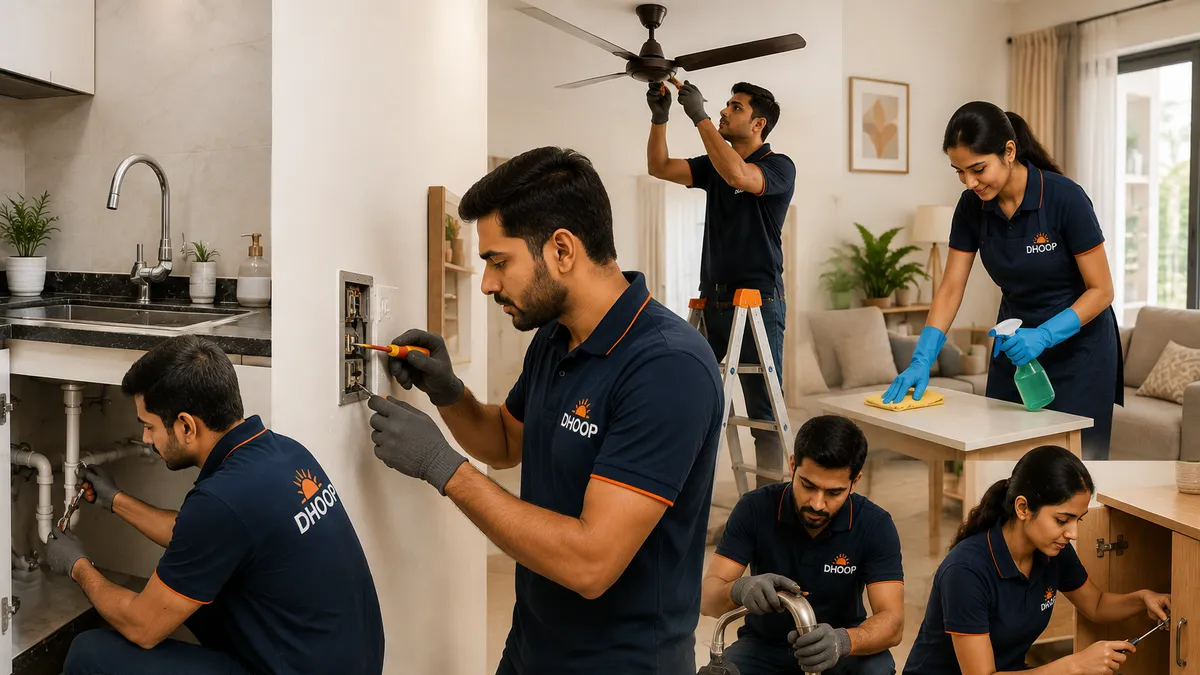
Home Setup & Maintenance Guide for Rudrapur
Renting, building or renovating in Rudrapur? Get a complete home setup & maintenance checklist covering electrical, plumbing, painting & more.
Read guide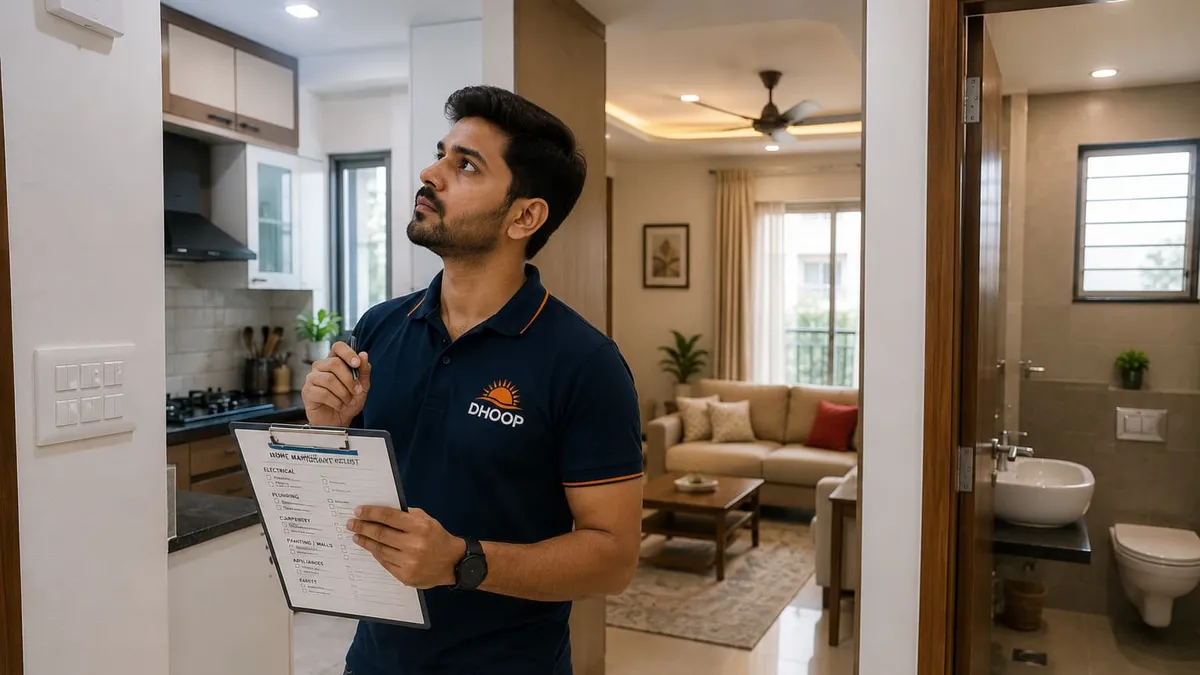
New House in Rudrapur? 25 Things to Check
Moving into a new house in Rudrapur? Use this 25-point checklist to inspect electricity, plumbing, drainage, pests, and more before you move in.
Read guideRudrapur Home Maintenance Guide: Before Every Season
A practical home maintenance guide for Rudrapur homeowners — what to check before summer, monsoon and winter, warning signs, and safe DIY vs professional help.
Read guide