
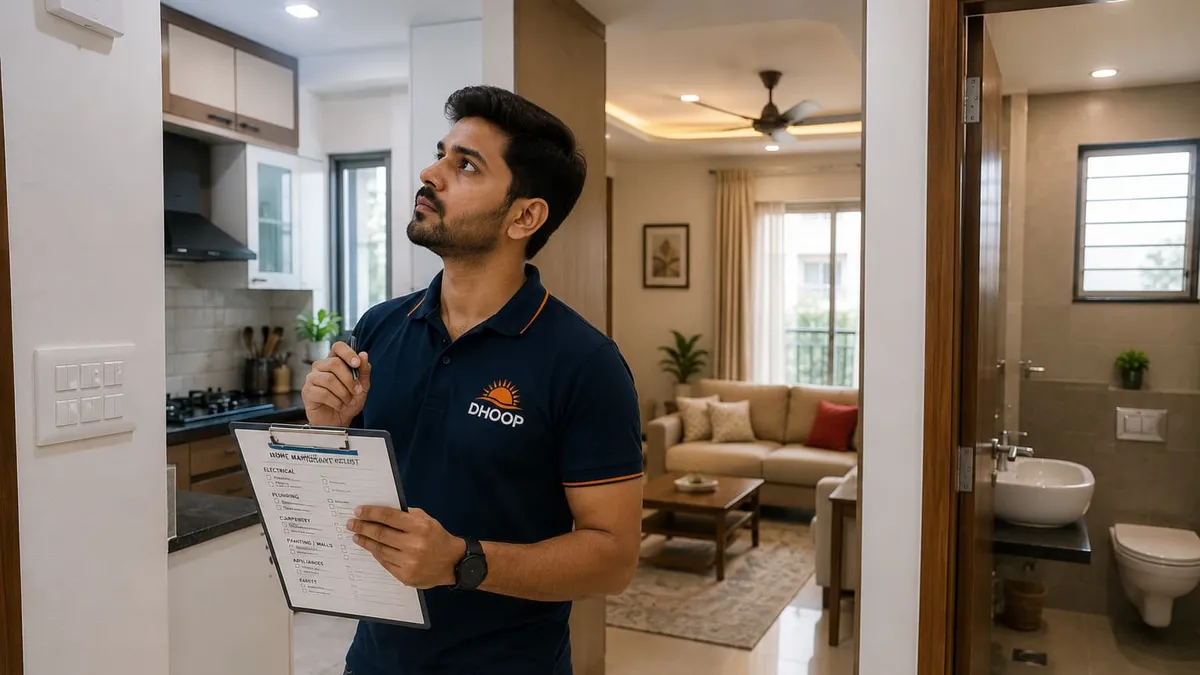
The Repairs Everyone Keeps Putting Off
Every home has that one thing everyone keeps putting off. A tap that drips a little. A switchboard that feels slightly loose. A patch on the ceiling that looks a bit darker than the rest of the wall. None of it feels urgent, so it waits. And waits.
The problem is, small home issues rarely stay small. A dripping tap wastes water every single day. A hairline crack lets in moisture during the rains and slowly widens. A loose switch that seems harmless today can become a real electrical hazard tomorrow. What starts as a five-minute fix often turns into a weekend project, and later, into an expensive repair involving broken tiles, damaged walls, or a plumber visit that could have been avoided.
If you own or rent a home, a little attention now can save you a lot of trouble later — especially once the monsoon sets in and every existing crack or leak gets tested by rainwater. Here are 10 common home repairs worth taking seriously before they turn into bigger headaches.
1. Dripping Taps and Leaking Pipes
That slow drip from the kitchen or bathroom tap seems harmless, but it adds up — both in wasted water and in your monthly bill. Usually it's just a worn-out washer or a loose fitting.
Why it matters: Left unattended, a small leak can damage the pipe joint further, stain your sink or basin, and eventually lead to a bigger plumbing repair.
What can go wrong: Constant moisture around the pipe fitting can corrode metal parts or damage the cabinet underneath, especially in kitchen sinks.
Homeowner tip: If tightening the tap doesn't stop the drip, it's usually just a washer replacement — a quick, inexpensive fix if done early.

2. Slow or Blocked Bathroom and Kitchen Drains
Water taking longer than usual to go down the drain is often the first warning sign. It usually means soap scum, hair, or kitchen waste is building up inside the pipe.
Why it matters: A slow drain today can become a fully blocked one during heavy rain, when outside drainage is already under pressure.
What can go wrong: Complete blockages can cause water to back up, leading to bad odour, unhygienic conditions, and sometimes water damage to bathroom flooring.
Homeowner tip: Regular cleaning can help reduce buildup and keep minor drain issues from getting worse.
3. Damp Walls and Moisture After Rain
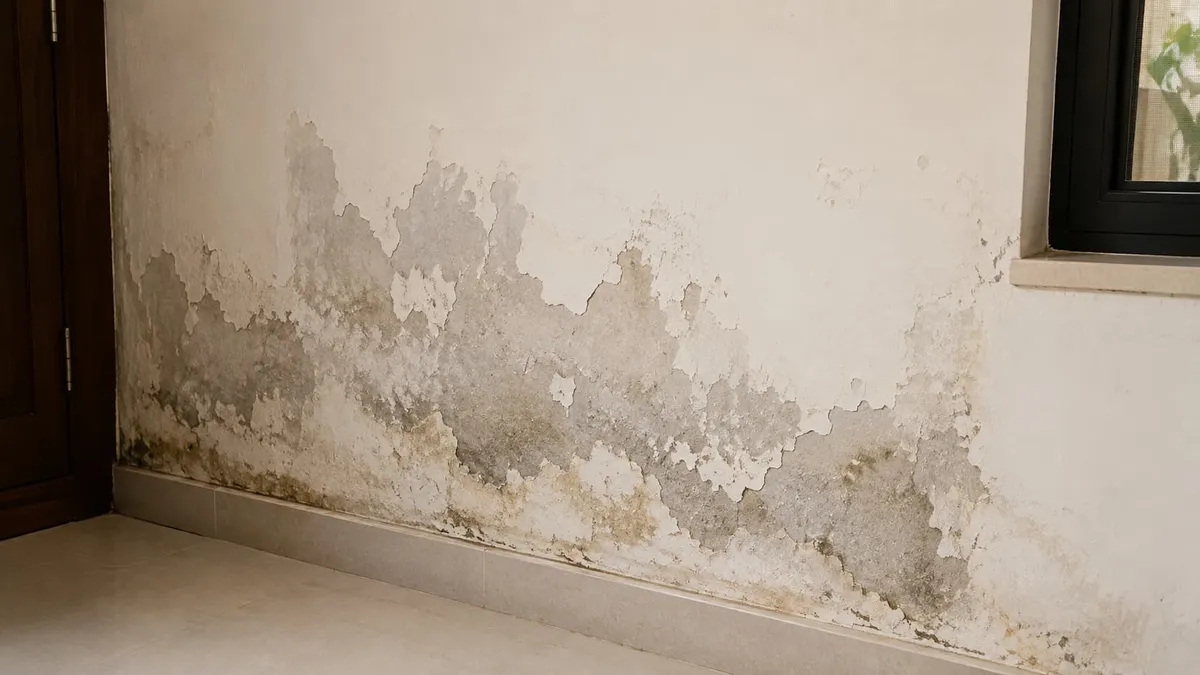
If you notice a wall feeling slightly damp or a faint musty smell in one corner of the room, especially after rainfall, that's dampness settling in — usually from a wall facing outside or an area with poor waterproofing.
Why it matters: Damp walls are more than a cosmetic issue. Persistent moisture weakens plaster and paint, and creates the perfect environment for mould.
What can go wrong: Over time, dampness can spread to nearby walls, cause paint to bubble and peel, and even affect the structural plaster, which becomes far more expensive to fix.
Homeowner tip: Keep an eye on the same wall every monsoon. If dampness reappears every year in the same spot, it points to a waterproofing issue that needs a proper fix, not just a fresh coat of paint.
4. Roof and Ceiling Leaks
A small brown patch on the ceiling or water stains near a corner usually means water is finding its way in from above — often through a crack in the terrace, a damaged waterproofing layer, or a gap near a pipe outlet on the roof.
Why it matters: Roof leaks rarely stay in one place. Water tends to travel along the ceiling before it shows up as a stain, which means the actual damage is often bigger than what you can see.
What can go wrong: Ignored leaks can cause extensive ceiling and plaster damage, affect electrical wiring running through the roof, and may require more costly repairs.
Homeowner tip: Check your terrace before monsoon every year — clear old leaves and debris from the drainage outlets so rainwater doesn't pool and seep in.
5. Loose Electrical Switches and Sockets
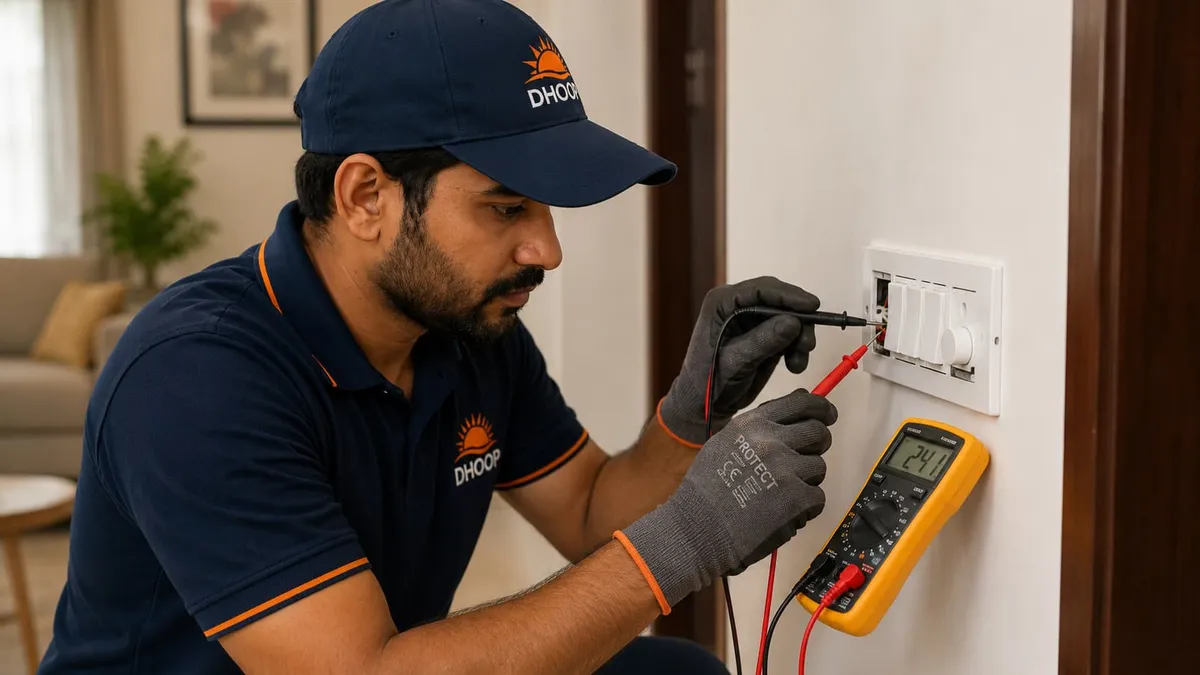
A switch that feels wobbly, a socket that sparks slightly, or a switchboard that's warm to touch — these are small signs that are easy to brush off, but they shouldn't be.
Why it matters: Loose wiring behind a switchboard can become a safety issue and shouldn't be ignored.
What can go wrong: A loose connection can lead to short circuits, damage to appliances plugged in, or in serious cases, become a fire risk.
Homeowner tip: If a switch feels loose, sparks, or gets warm, avoid using it and get it checked. This is not a DIY job — call a qualified electrician.
6. Cracked Bathroom Tiles
A single cracked tile on the bathroom floor or wall might not seem worth worrying about, but bathrooms are wet spaces, and water finds its way through even the smallest crack.
Why it matters: Water seeping through a cracked tile can reach the layer underneath, leading to dampness in the wall or floor below.
What can go wrong: Over time, this can loosen nearby tiles, cause a hollow sound when tapped, and eventually require a larger tile-replacement job instead of fixing just one.
Homeowner tip: Get a cracked tile replaced as soon as you notice it, rather than waiting for more tiles to loosen around it.
7. Running Toilets and Leaking Bathroom Fixtures
A toilet that keeps running after you flush, or a shower/tap fixture that drips even when closed, is usually a sign of a worn-out flush valve or fixture washer.
Why it matters: Besides the irritating sound, a running toilet quietly wastes a large amount of water every day, more than most people realise.
What can go wrong: Left unchecked, the constant water flow can affect the flush mechanism further and lead to a bigger repair or full fixture replacement.
Homeowner tip: If jiggling the flush handle temporarily fixes it, the flush valve likely needs replacing — a quick job for a plumber.
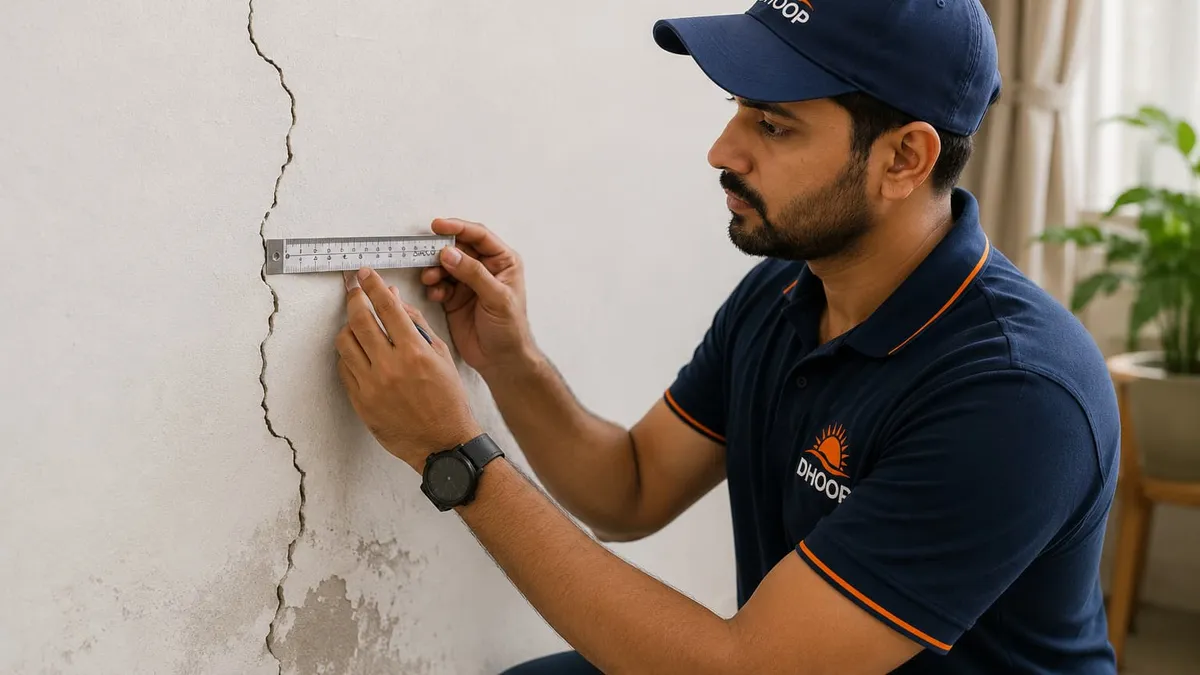
8. Small Wall Cracks
Thin, hairline cracks near windows, door frames, or ceiling corners are common in most homes and are often just due to natural settling or temperature changes. But not all cracks are harmless.
Why it matters: Small cracks let in moisture, especially during rains, which slowly damages the plaster and paint around them.
What can go wrong: If a crack keeps widening, changes shape, or appears alongside a sagging area, it could indicate a more serious structural issue that needs professional inspection.
Homeowner tip: Mark the length of a crack with a pencil and check again after a few weeks. If it has grown, get it looked at rather than just filling it with putty.
9. Doors and Windows That Don't Close Properly
A door that sticks, a window that doesn't latch fully, or hinges that creak loudly — these are usually caused by humidity, minor warping of wood, or loose screws.
Why it matters: Doors and windows that don't close properly let in dust, rain, and insects, and also affect home security.
What can go wrong: Continued misalignment can warp the frame further, damage the lock mechanism, or, in the case of windows, let in rainwater during a storm.
Homeowner tip: Tightening loose hinges and screws is often enough. If wood has swollen due to moisture, a light sanding on the edges usually solves the sticking problem.

10. The Repairs Homeowners Keep Postponing
Beyond the specific issues above, almost every home has that mental list — a wobbly cabinet handle, a chipped kitchen counter edge, a light fixture that flickers, a gate hinge that needs oiling. Individually, none of these feel urgent.
Why it matters: These small tasks pile up over months, and by the time you decide to "do it all together," it feels like a bigger project than it actually is.
What can go wrong: Postponed repairs tend to worsen quietly — a flickering light can indicate a wiring issue, a wobbly handle can eventually break off. The cost and effort usually increase the longer you wait.
Homeowner tip: Keep a simple running list on your phone. Once it has 3–4 items, book one service visit to tackle them together instead of ignoring them one by one.
Why Homeowners Should Fix Problems Early
Homes here deal with a fair bit of seasonal wear — hot summers followed by a proper monsoon that tests every crack, leak, and weak spot in a building. A wall that seemed fine in April can start showing damp patches by July. A drain that worked all year can get overwhelmed in a single heavy downpour.
Fixing small issues early isn't just about avoiding inconvenience — it genuinely protects your home:
- Prevents water damage — Small leaks and cracks, if sealed before monsoon, stop water from reaching walls, ceilings, and wiring.
- Avoids bigger electrical problems — Loose switches and sockets fixed early reduce the risk of short circuits when humidity is high.
- Saves money in the long run — A washer replacement costs far less than a full pipe repair. A single tile costs less than redoing an entire bathroom floor.
- Reduces monsoon-related stress — Homes that are checked and repaired before the rains tend to have far fewer emergency issues once the season starts.
A little maintenance twice a year — once before summer and once before monsoon — goes a long way in keeping your home in good shape.
For a wider look at the problems behind these repairs, our guide to the common household problems every homeowner faces covers what each issue usually turns out to be and which trade handles it.
Need a Plumber, Electrician or Home Service Nearby?
Knowing that something needs fixing is one thing. Finding someone reliable to actually fix it is another — especially when you need a plumber for a leaking pipe on a Sunday, or an electrician who can look at a sparking switchboard the same day.
This is where DHOOP comes in. DHOOP helps people connect with local service professionals for everyday home and business needs — plumbers, electricians, tile and repair specialists, and other home service providers, all in one place. Instead of asking around or relying on guesswork, you can find someone nearby who's suited to the job, without the usual back and forth.
Whether it's a dripping tap you've been ignoring for weeks or a bigger repair before the monsoon hits, DHOOP makes it easier to get it sorted with the right professional. You can find local professionals across every category we cover on our home services in Rudrapur page.
Frequently Asked Questions
A basic check twice a year — before summer and before monsoon — is usually enough to catch most issues like leaks, damp patches, and loose fittings before they grow.
Moisture causes plaster and masonry to expand slightly, which can widen existing hairline cracks or reveal new ones, especially on walls facing the rain.
Yes. Besides wasting water daily, a dripping tap often points to a worn washer or loose fitting that can worsen and lead to a bigger leak if ignored.
Start with the terrace — check for cracks, damaged waterproofing, or blocked drainage outlets where leaves and debris can collect and cause water to pool.
They can be genuinely dangerous. A loose switch or warm socket may indicate faulty wiring, which is a fire and shock risk and should be checked by an electrician promptly.
Platforms like DHOOP make this easier by connecting you with local service professionals for plumbing, electrical, and other home repair needs.
Yes. Fixing a washer, a tile, or a crack early usually costs a fraction of what a full repair or replacement would cost once the damage spreads.
Focus on roof and terrace waterproofing, drain cleaning, sealing wall cracks, and checking electrical points — these are most affected by heavy rain.
Keep reading
Pick whichever guide fits what you need next.
More guides

Moving Into a New Home in Rudrapur
Just moved or about to shift in Rudrapur? A practical checklist of what to inspect, which professionals to arrange first, and what to sort before you unpack.
Read guide
Architect & Contractor in Rudrapur
Planning to build or renovate in Rudrapur? Find a trusted architect or contractor near you and get expert guidance through Dhoop.
Read guide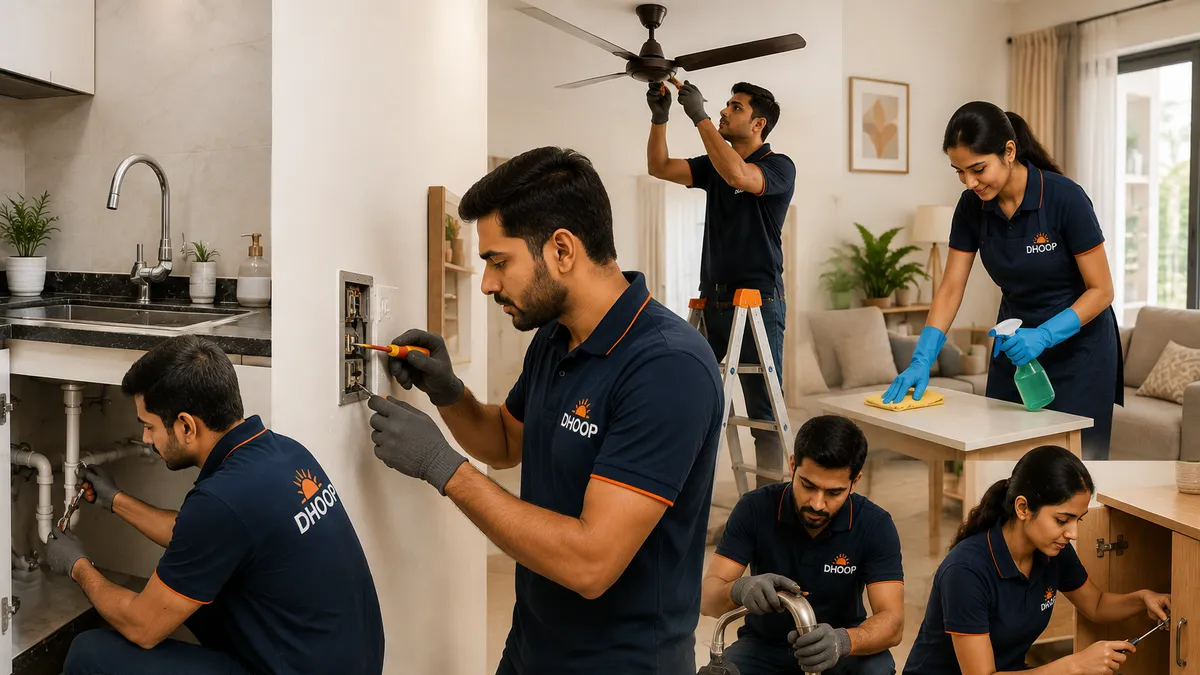
10 Common Household Problems Every Homeowner Faces
Discover the 10 most common household problems homeowners face, their causes, risks, and when to call a professional for safe, lasting repairs.
Read guide